
Both live in the skincare aisle, both target the same enemy — but a hydrocolloid patch and a spot-treatment cream work in completely different ways. Here's the plain-English comparison.
Two different philosophies
Spot treatments (think salicylic acid or benzoyl peroxide creams) are chemical: they exfoliate inside the pore or reduce surface bacteria. They can be effective — and they can also dry, flake, sting, and bleach pillowcases. Sensitive skin often finds them harsher than the blemish itself.
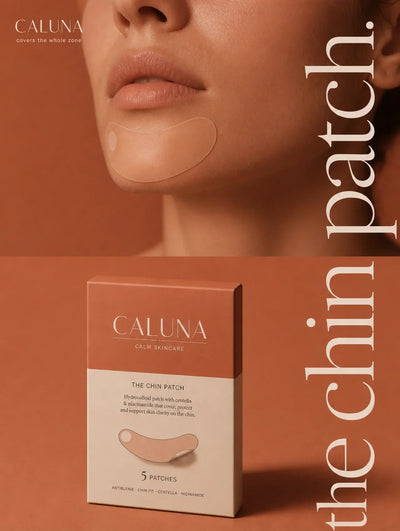
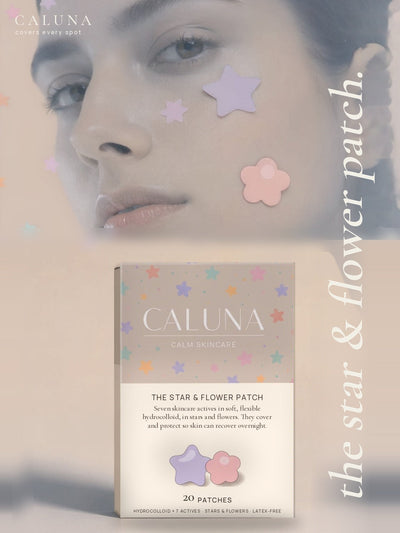
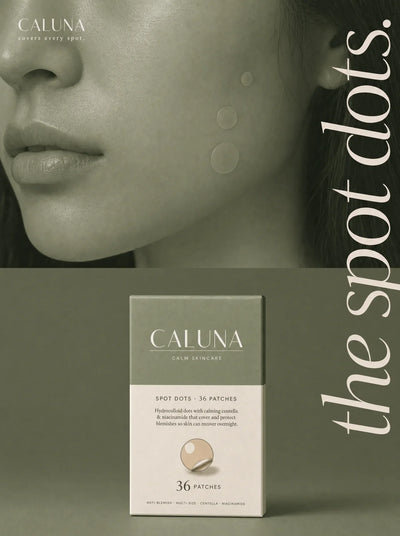
Hydrocolloid patches are physical: no active drug at all. The patch absorbs fluid from a surfaced blemish, maintains a moist environment where skin is comfortable, and blocks the two things that make every breakout worse — your fingers and outside bacteria.
When a patch is the better pick
- The blemish has come to a head (there's something at the surface to absorb).
- Your skin is sensitive or already irritated — patches add nothing harsh.
- You're a picker — no cream on earth stops fingers; a barrier does.
- You need to wear it out — an invisible matte patch works under makeup; a white cream doesn't.
- It's bedtime — overnight is a patch's home turf.
When a spot treatment makes sense
- The spot is early and deep — nothing has surfaced yet, so there's nothing for hydrocolloid to absorb.
- Your skin tolerates actives well and you're already using them without irritation.
Can you use both?
Many people do — actives in the routine for prevention, patches on individual spots that surface. One rule: don't layer them on the same spot at the same time. A patch sealed over a strong active traps it against broken skin, which is a recipe for irritation. Patch on clean, dry, product-free skin.
The calm-skin take
If you have to pick one tool for the nightstand, the patch is the safer default: it can't over-dry, it can't sting, and it stops the picking that causes the marks that outlast every breakout. See what's inside ours — and what we deliberately leave out.
Shop Caluna invisible spot dots → 36 patches in assorted sizes, backed by our 30-day promise.
This article is for general information and isn't medical advice. For persistent or severe acne, a dermatologist is the right call.