

Everyone knows they shouldn't. Almost everyone does it anyway. Here's what actually happens in those five seconds — and a genuinely easy way out of the habit.
What squeezing really does
A blemish is already a tiny inflamed spot. When you squeeze it, three things tend to happen:
- You push the problem deeper. Pressure can force debris further into the pore instead of out of it, turning a three-day spot into a two-week one.
- You add bacteria. Fingers touch phones, keyboards, doorknobs. Broken skin plus unwashed hands is exactly how one spot becomes three.
- You trade a pimple for a mark. The dark spots and small scars that hang around for months usually aren't from the breakout — they're from the picking. Skin that's forced open heals slower and less cleanly than skin that's left alone.
Why we all do it anyway
Picking isn't a logic problem — it's a habit loop. You feel the bump, your fingers find it, and squeezing delivers a tiny hit of "I did something." Late nights, stress, and mirrors make it worse. Telling yourself just don't touch it fails for the same reason "just eat less sugar" fails: willpower is a terrible long-term strategy.
The barrier method: make picking impossible
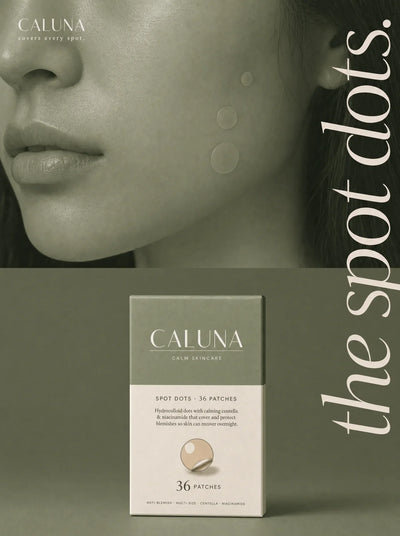
The most reliable fix isn't discipline — it's a physical barrier. Cover the spot and the habit loop breaks on its own:
- Your fingers find smooth patch instead of a bump, and the trigger disappears.
- The spot stays sealed from bacteria and friction while it calms down.
- The patch quietly works, absorbing fluid overnight — so you wake up to progress you can see on the patch instead of damage you'll spend weeks fading.
That's the real reason hydrocolloid patches have earned a permanent spot on so many nightstands: they aren't just skincare — they're hands-off insurance.
Make it a routine, not a rescue
Keep patches where the picking happens: the bathroom mirror, the nightstand, your bag. The moment you notice a spot that's surfaced, cover it — before the mirror negotiation starts. Clean, dry skin, patch on, lights out.
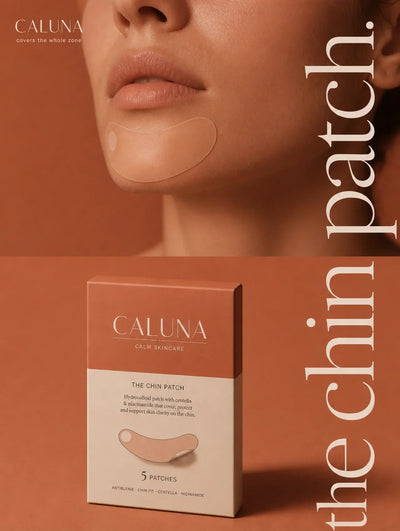
Keep a box within reach → Thin, matte, near-invisible — so keeping your hands off is the easy choice, even on workdays.
This article is for general information and isn't medical advice. If picking feels compulsive or distressing, that's common and treatable — a dermatologist or mental-health professional can genuinely help.