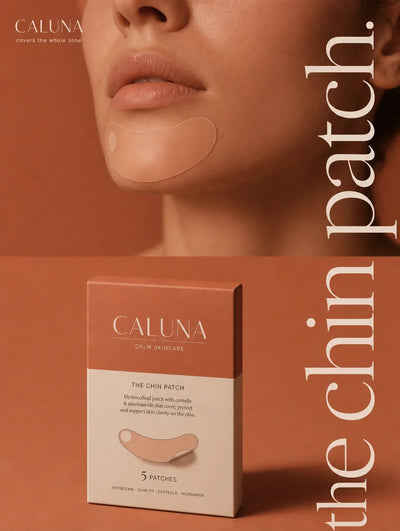

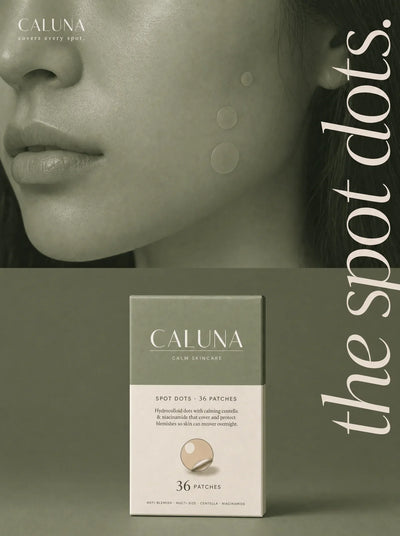

Yes — you can wear a pimple patch under makeup, as long as it's a thin, translucent hydrocolloid patch pressed onto clean, dry skin. The trick is to let the patch settle for a minute, then build your base gently around and over it so the edges disappear. Done right, no one spots the patch, and your spot stays covered and protected all day.
Can you wear a pimple patch under makeup?
Yes. A slim hydrocolloid patch is designed to sit flush against the skin, so a light layer of makeup can go right on top. The clear, matte kind is far easier to hide than a thick or shiny patch.
The reason it works is simple: hydrocolloid is a gentle gel material that molds to your skin and grips a spot that has already come to a head, quietly absorbing the fluid underneath. Because it stays put, it doubles as a barrier that keeps foundation, powder, and your own fingers off the blemish — which also makes it much harder to pick at during the day.
How do you apply makeup over a pimple patch?
Apply the patch first on bare, dry skin, then do your makeup as usual — foundation and concealer blend over the top without lifting the edges if you dab rather than drag.
A reliable order of operations:
- Cleanse and dry the area completely. Hydrocolloid grips best on skin with no oil, moisturizer, or sunscreen directly under the patch.
- Press the patch on for a full 10–15 seconds so the edges seal down flat.
- Wait a minute, then apply foundation with a damp sponge or brush, tapping gently over the patch instead of wiping across it.
- Spot-conceal on top if you still see a faint outline, and set with a light dusting of powder.
Dragging a brush sideways is the main thing that peels an edge up, so keep your motion a soft press-and-roll.

Should you put a pimple patch on before or after skincare?
Put the patch on after cleansing but before moisturizer, serums, and sunscreen — at least on the spot itself. Hydrocolloid needs a clean, product-free surface to stick.
You can still do your full routine everywhere else; just apply the patch to the blemish first, then work your other steps around it. If you moisturize the whole face first, wait until that layer fully absorbs and gently pat the spot dry before pressing the patch down, or it may slide.
Do pimple patches show under foundation?
A thin, translucent patch is nearly invisible under makeup, though you may notice a faint edge in harsh, direct light. Choosing a clear, ultra-slim patch and sealing the rim well keeps it hidden.
A few things reduce any visible outline: pick the smallest patch that fully covers the spot, press the edges down firmly, and feather a little concealer over the border to blur the transition. Matte patches beat glossy ones under camera flash and ring lights, which is worth knowing before a night out or a photo.
How long can you wear a pimple patch during the day?
Most hydrocolloid patches are comfortable for about 6 to 8 hours, so one can easily last a work or school day. Swap it when it turns opaque and white, which means it has absorbed all it can.
Under makeup, a patch may loosen a little sooner as your skin warms up and oil builds through the day. That's normal — just replace it with a fresh one and reapply a touch of makeup on top. A single box of Caluna patches holds 36 dots, so keeping a couple in your bag for a midday swap won't feel precious.
What actually makes a good patch for wearing under makeup?
The best under-makeup patch is thin, clear, and matte, and it helps if the material itself is skin-friendly rather than just plain plastic. That combination is what lets it vanish and keeps the spot feeling calmer while it's covered.
This is where our Caluna Hydrocolloid Pimple Patches earn their spot in a makeup bag: they're invisible, and they carry seven skin-loving actives — hydrocolloid, tea tree oil, salicylic acid, centella asiatica, calendula, niacinamide, and hyaluronic acid — where most patches have zero. Ingredients like salicylic acid are known for helping pores feel clear, and niacinamide and centella are known for helping skin feel calmer, so the patch is doing something useful under your foundation, not just hiding the spot.
One honest note: patches shine on surfaced whiteheads, not on deep, painful cystic bumps or widespread breakouts. If your skin is severe or persistent, it's worth seeing a dermatologist rather than relying on patches alone.
The quick version
You can absolutely wear a pimple patch under makeup. Apply it first on clean, dry skin, press the edges flat, wait a minute, then tap your base on top instead of dragging. Pick a thin, clear, matte patch, swap it when it clouds over after roughly 6 to 8 hours, and your spot stays covered, protected, and hard to pick at all day long.
— Jake, founder of Caluna.