
We're a little over two weeks out from Launch 2.0 on November 1st, and the forehead list is holding second place this morning (full standings at the bottom). So here's today's question: can your hair products break out your forehead? Yes — gel, pomade, wax and even some oils migrate down to your hairline and the top of your forehead, where they can clog pores and trigger the little bumps that line up right under where your hair starts. Dermatologists even have a name for it: pomade acne.
Can hair products really cause forehead breakouts?
Yes. The products that sit on your hair don't stay on your hair — sweat, heat and gravity carry them onto the skin along your hairline, and the heavy, waxy ones are the most likely to block a pore.
The tell is location. Hormonal or stress breakouts tend to roam around; product breakouts cluster in a band right along the hairline and the very top of the forehead — often small, uniform and stubborn. If yours follow your hairline like a border, your styling routine is worth a look before anything else.

What is "pomade acne"?
Pomade acne is the dermatology term for breakouts caused by oily or waxy hair products working their way onto the skin. It was first described decades ago, and it's still one of the most common hairline culprits today.
It isn't only pomade. Thick gels, hair wax, mousse, leave-in oils and heavy hair masks can all do it. The common thread is a rich, clinging formula that lingers — and the forehead, already one of the oiliest zones on your face, doesn't need the extra help.
Which hair products are the worst offenders?
The heaviest, waxiest, oiliest ones — pomade, wax, thick gels and rich oils — because they're built to stay put and transfer easily.
Lighter, water-based stuff is usually gentler on skin. You don't have to throw everything out: look for "non-comedogenic" on the label, keep heavy product about a finger-width back from the hairline, and wipe the top of your forehead after you style. The numbers that matter here are small and boring — an inch of clearance and ten seconds with a clean cloth does most of the work.
Does washing my hair more often fix it?
Sometimes, but not always — the fix is usually about where product sits, not how often you shampoo.
Rinsing at night keeps a day's worth of product and oil off your pillow and off your face while you sleep. If you work out, a quick hairline wipe afterward is worth more than an extra shampoo. (Flaky scalp is its own separate story — if dandruff is driving the bumps, that's a different fix.)
How do I keep my forehead clear while I sort it out?
Clean the skin, keep heavy product off the hairline, and cover anything that's already come up so you stop touching it.
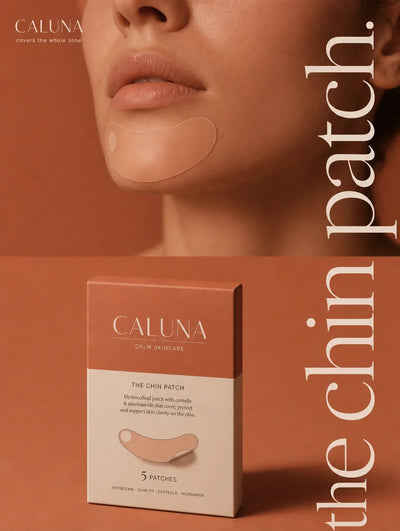
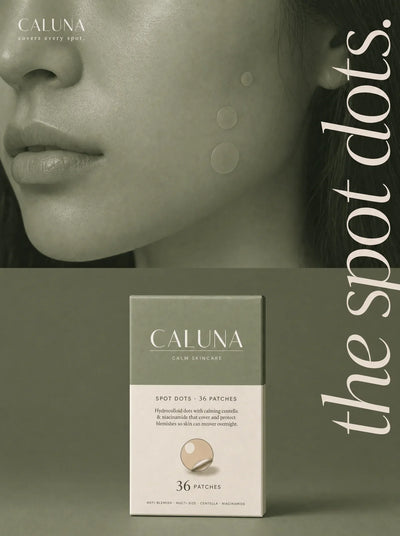
A hydrocolloid patch is known for absorbing the fluid from a bump that's come to a head and — honestly the underrated part — keeping your fingers off it. Right now the one I'd reach for is our Spot Dots, the little invisible dots. For a whole band of hairline bumps, dotting six of them on is a pain, which is exactly why the Forehead Patch is coming in November — join the forehead list: one wide patch built to cover the forehead in a single go, with a simplified hydrocolloid formula (final ingredient list published at launch).
When should I see a dermatologist?
If the bumps are painful, spreading, or not budging after a few weeks of cleaning up your routine, get a professional set of eyes on them.
Not everything along the hairline is product acne — itchy, uniform little bumps can sometimes be a yeast-driven folliculitis (what people call "fungal acne"), which needs a different approach entirely. That's educational, not a diagnosis; a dermatologist can tell the difference fast.
That's the forehead for today — built for people who actually use product and still want clear skin.
Race update: nose 3 · forehead 2 · chin 1 · kids 1.
The zone with the most names launches first on November 1st — pick yours.
— Jake, founder of Caluna.