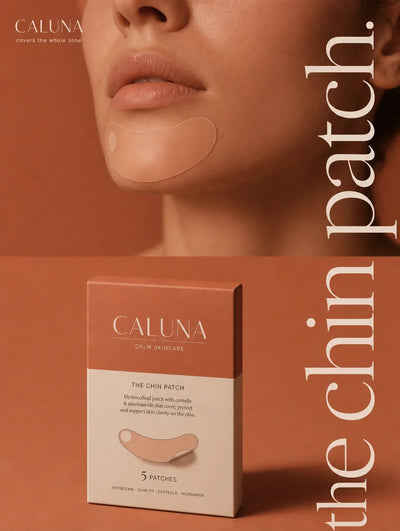

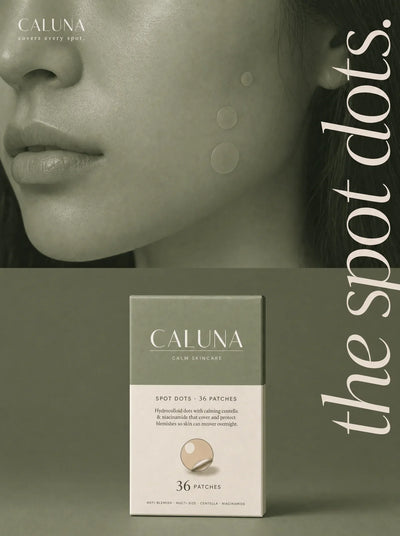

Mostly no — not the way they work on a whitehead. A hydrocolloid pimple patch is built to absorb fluid from a spot that has come to the surface, and a cystic pimple sits deep under the skin with nothing at the surface to draw out, so on a cyst a patch mainly covers the area, protects it, and keeps your fingers off. There's still a sensible way to use one on a deep bump, and a few things not to do — here's the honest version.
What is a cystic pimple, exactly?
A cystic pimple is a large, deep, often painful bump that forms well below the surface of the skin, rather than a small whitehead sitting right on top. It tends to feel firm or sore to the touch and can last for days or weeks.
Where an ordinary spot clogs a pore near the surface, a cyst forms deeper down, so there's often no visible "head" to it at all — just a tender lump under otherwise intact skin. This is educational, not a diagnosis.
Do hydrocolloid patches work on cystic pimples?
Not the way they work on a surfaced spot. Hydrocolloid is known for absorbing the fluid a pimple gives off once it has opened or come to a head — and a deep cyst, by definition, hasn't done either, so there's nothing at the surface for the patch to pull in.
Think of a patch as a dressing for a spot that's already at the surface. When you press a clear hydrocolloid dot over a weeping whitehead, it swells and clouds white as it draws that fluid up and away. Over a closed cystic bump, the same dot has no fluid to absorb, so it can't clear the lump the way people hope. It isn't broken — it's just being asked to do a job it was never built for.

Then why wear a patch on a deep bump at all?
Because covering and protecting a sore spot is still genuinely useful, even when there's no fluid to absorb. A patch puts a physical barrier between the bump and your fingers, your phone, your pillow, and any makeup or grime that would otherwise land on it.
On a painful cyst, the biggest favor you can do yourself is to stop touching it — picking or prodding a deep bump is how a sore week turns into a mark that lingers for a month. A patch makes that harder to do absent-mindedly, keeps the skin covered, and tends to leave the spot feeling calmer while it settles on its own.
What about a "blind" pimple that hasn't surfaced?
A blind pimple is the same story: a bump you can feel but can't see a head on, sitting just under the skin. Until it actually surfaces, a patch mostly covers and protects it rather than drawing anything out.
The patient move is to leave it alone and let it decide what it's going to do. If it does surface, that's the moment a hydrocolloid dot starts earning its place — clean, dry skin, press it on, and leave it 6 to 8 hours or overnight. Squeezing to "bring it to a head" faster almost always backfires.
Should you ever squeeze a cyst to get it out?
No. A cyst sits too deep to empty by squeezing, and forcing it tends to push the contents further down and out into the surrounding skin — which is what drags out the healing and raises the odds of a lasting scar.
This is the single most important thing on the whole page: hands off. A cyst that's left alone, kept clean, and protected will usually calm down on its own timeline, and that timeline is almost always kinder than the one that follows a hard squeeze in the bathroom mirror.
What actually helps a cystic breakout?
Keep the rest of your routine gentle — a mild cleanser twice a day, a light non-comedogenic moisturizer, and no harsh scrubbing — because stripping the skin raw only adds irritation on top of a bump that's already sore. Then protect whatever has surfaced and keep your fingers off it.
That protect-and-cover job is exactly what our Caluna Hydrocolloid Pimple Patches are for on a spot that's come to a head — they carry seven skin-loving actives (hydrocolloid, tea tree oil, salicylic acid, centella asiatica, calendula, niacinamide and hyaluronic acid) where most patches have zero. There are 36 invisible dots to a box at $11.99, about 33¢ a dot. For the deep stuff, though, a patch is a comfort measure, not a fix.
When should you see a dermatologist?
If you get deep, painful, cystic bumps regularly, or breakouts that won't settle no matter what you do, that's a conversation for a dermatologist rather than a drawer full of patches. Cystic acne in particular has real medical options that a cosmetic cover was never going to replace.
A pimple patch is a cosmetic tool for the spots you can see and protect — a great one, on the right spot, on the right day. For the lump you can only feel, be patient, keep your hands off, and get a professional's eyes on it if it keeps coming back. Your skin will thank you for the restraint.
— Jake, founder of Caluna.