 Liquid error (snippets/caluna-cart-extras line 104): invalid url input
We're about six and a half weeks out from the November 1st launch, and nose is still leading the zone race — fitting, because no zone gets Googled about pore strips quite like this one. Short answer: pore strips do lift loose debris and the very tops of sebaceous filaments off your nose, so it looks cleaner for a day, but they don't shrink pores, slow down oil, or do anything for a raised breakout — and what they grab comes back.
Do pore strips actually clear your nose?
They pull away surface oil, dead skin, and the tips of sebaceous filaments, so your nose looks and feels smoother right after you peel one off. What they don't do is reach a deep clog or change how much oil your nose makes, so the effect is cosmetic and short-lived.
Think of a strip as a piece of tape for the very top layer. The plugs you see stuck to it are mostly the surface ends of filaments that were always going to refill. That's not a knock on strips — a fresh-looking nose before a night out is a real thing — it just isn't the deep clean the packaging implies.
Are those dark dots on my nose blackheads?
Usually not. Most of the tiny gray specks running down the sides of the nose are sebaceous filaments — a normal part of everyone's skin — not blackheads.
A true blackhead is a pore clogged with oil and dead skin whose top has darkened from air exposure. A sebaceous filament is just oil wicking naturally to the surface of a pore, and it's supposed to be there. This matters because filaments refill within a day or two no matter what you do to them, which is exactly why they never seem to "go away." This is educational, not a diagnosis — if something on your nose is painful or changing, a dermatologist is the right call.

Do pore strips shrink your pores?
No. Pore size is mostly down to genetics and how much oil the pore is producing, and a strip can't physically shrink the opening.
What can make pores look smaller is keeping them from stretching with backed-up oil — gentle, consistent care rather than one once-a-week yank. Stripping hard and often can actually leave the skin around your nose red and reactive, which makes pores stand out more, not less.
Can pore strips damage your skin?
For most people an occasional strip is fine, but pulling one off dry, or using it on irritated, sunburned, or actively broken-out skin, can leave the area raw. The one clear rule: never put a strip over an inflamed pimple.
What actually helps an oily nose?
Consistency beats stripping. Gentle cleansing, not over-washing, and blotting through the day keep an oily nose in better shape than any single dramatic fix.
- Wash twice a day with a gentle cleanser — over-washing strips the surface and your nose answers with more oil.
- Blot midday with a plain tissue or blotting paper instead of scrubbing.
- If a raised whitehead surfaces, cover it and keep your fingers off it instead of squeezing it on a curved surface where bacteria just spreads.
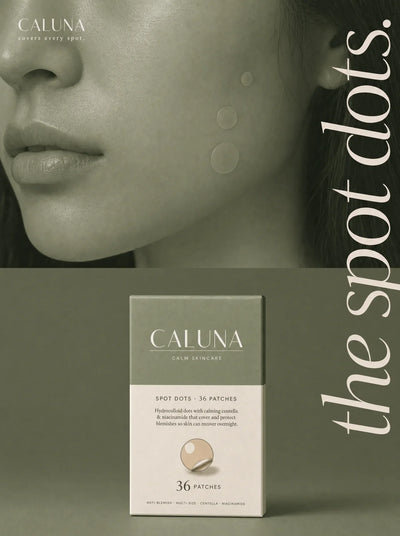
That last one is where a hydrocolloid patch earns its place: it's known for covering an open, raised spot and absorbing the fluid it weeps while you leave it alone. Our Spot Dots (available now) do exactly that. One honest limit, though — patches are for raised, open blemishes, not flat blackheads or filaments. No patch pulls those out, and anyone who tells you otherwise is selling something.
Is there a patch made to fit the nose?
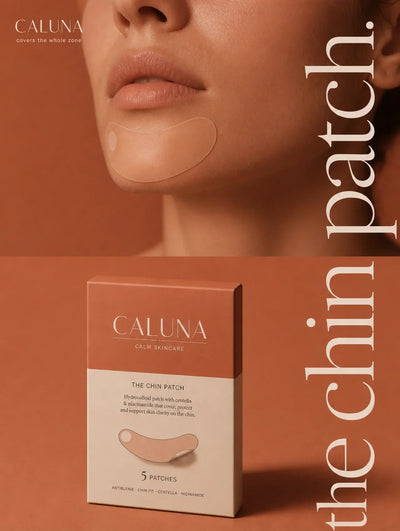
Yes — the Nose Patch is coming in November: a single T-shaped patch that hugs the bridge and the sides, where flat round dots tend to slide off. It's a simplified hydrocolloid formula, with the final ingredient list published at launch — join the nose list.
Until then, go easy on your nose. Strip less, blot more, cover the spots that actually surface, and let the filaments be — they're doing their job.
Race update: nose 3 · chin 1 · forehead 1 · kids 1.
The zone with the most names launches first on November 1st — pick yours.
— Jake, founder of Caluna.