
We're about three weeks out from Launch 2.0 on November 1st, and the nose is still leading our little zone race. Fitting, because today's question is one nose-breakout people Google constantly: do pore strips actually work on your nose? Short answer — they do exactly one thing, peel off the plug of oil and dead skin at the surface, and nothing for the pore underneath. The strip pulls the top off; the pore refills within days, which is why the blackheads always seem to come back.
Do pore strips actually work on your nose?
Sort of. They lift the loose gunk at the mouth of a pore, but they don't shrink the pore or stop it from filling up again.
A pore strip is really just strong glue on a stiff backing. You wet it, press it on, let it dry, and rip it off — it yanks up whatever was loose at the opening of each pore, which is honestly satisfying to look at. What it can't do is change the size of the pore or keep oil from collecting there again, so the whole effect is cosmetic and short-lived.

Why do the blackheads come back so fast?
Because your nose makes more oil than anywhere else on your face, and the pores refill almost as soon as the strip is off.
The nose sits in the oiliest part of the T-zone, with the densest oil glands you've got. Strip the surface today and those glands keep right on producing, so within a few days the pore openings darken again as fresh oil meets air and oxidizes. You're not doing it wrong — you're trying to out-pull biology with a sticker.
Are those little dots even blackheads?
Often they aren't. A lot of what people strip off their nose is sebaceous filaments, not blackheads — and those are a normal part of how a healthy pore works.
Blackheads are genuinely clogged pores. Sebaceous filaments are the thin, greyish threads of oil that line a normal pore and help move sebum to the surface — almost everyone has them, especially on the nose, and no strip or scrub clears them for good, because they refill on purpose. This is educational, not a diagnosis — if you can't tell which one you're looking at, a dermatologist can usually sort it out in seconds.
Can pore strips damage the skin on your nose?
They can irritate it if you lean on them too often. That tearing action is rough on thin nose skin.
Used once in a while on dry, calm skin, most people are fine. Used every week, or dragged over skin that's already red or flaky, the repeated ripping can leave the area raw and more reactive — and irritated skin tends to break out more, not less.
Can pore strips shrink your pores?
No. Pore size is mostly down to genetics, and nothing you peel off the surface changes it.
Strips, cold water, toners that promise to "tighten" — none of them close a pore the way the internet implies. What actually makes a pore look smaller over time is keeping it from stretching with trapped oil and buildup — steady, gentle upkeep, not one dramatic rip.
What should you do with an oily nose instead?
Go gentler and more consistent. The goal is to keep the oil moving without tearing at the skin.
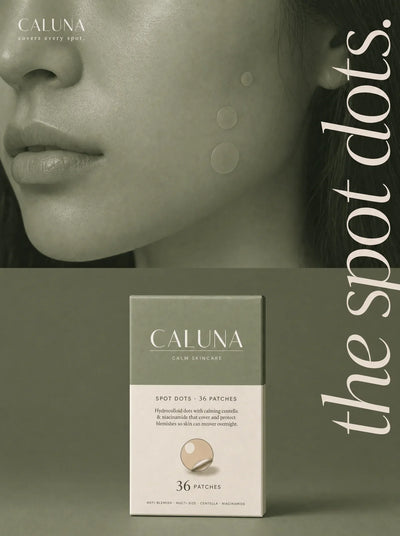
A mild salicylic cleanser a few times a week does more over a month than a strip does in a minute, as long as you're not scrubbing on top of it. And when an actual whitehead surfaces on your nose, that's where a hydrocolloid patch earns its spot — it's known for covering the spot, absorbing the fluid it gives off, and keeping your fingers off it so the skin can feel calmer while it settles. Our Spot Dots do that now: 36 invisible dots to a box at $11.99, about 33¢ a dot. The catch on the nose is the curve — a flat round dot lifts at the edges there — which is exactly why the Nose Patch, one T-shaped cover made for the bridge and the sides, is coming in November — join the nose list. It's a simplified hydrocolloid formula, with the final ingredient list published at launch.
When should you see a dermatologist?
When spots on your nose are deep, painful, or just won't settle no matter what you change about your routine.
Pore strips and patches are surface tools — they help with what's sitting on top, and they aren't medical advice. Persistent or painful breakouts deserve a professional's eyes — no shame in booking the appointment.
Race update: nose 3 · forehead 2 · chin 1 · kids 1.
The zone with the most names launches first on November 1st — pick yours.
— Jake, founder of Caluna.