

We're about three weeks out from November 1st, and the nose list is still leading the zone race this morning. Today's question is one oily-nose people Google constantly — does scrubbing your oily nose make it worse? — and the honest answer is usually yes: scrubbing hard and washing too often strip the skin, leave it irritated, and irritated skin tends to break out more, not less.
Does scrubbing your oily nose make it worse?
Usually, yes. Going at an oily nose with a rough scrub, or washing it five times a day, doesn't remove the oil — it strips the surface, upsets the skin barrier, and leaves the area red, tight, and more reactive than when you started.
Oil isn't dirt. Your nose makes it on purpose, and you can't scrub your way to a nose that stops. What over-scrubbing can do is damage the skin on top, and damaged skin is slower to settle and quicker to flare.
Why does scrubbing backfire on an oily nose?
Because it attacks the barrier, not the oil. Harsh scrubs and over-washing lift away the protective layer that holds moisture in, so the skin ends up dehydrated — and dehydrated skin often feels greasier, not drier.
There's a real debate about whether stripping makes oil glands pump out more over the long run; what isn't in doubt is that it irritates the skin and wears down the barrier in the short term. A raw, inflamed nose is more prone to breakouts and to that tight, flaky feeling that makes people reach for even more scrubbing — a loop worth stepping out of.

Doesn't my nose need harder cleaning because it's so oily?
No — the nose is the oiliest zone on your face because it has the densest cluster of oil glands, not because it's dirtier. More oil is a reason to clean gently and consistently, not harder.
A gentle wash twice a day clears the day's oil and sweat without tearing at the skin. Something known for loosening oil, like a mild salicylic cleanser a few times a week, does more over a month than a gritty scrub does in a single minute.
How often should you really wash an oily nose?
Twice a day is the sweet spot for most people — morning and night — plus a rinse after a heavy sweat. Washing much more than that is usually where the trouble starts.
If your nose feels tight and squeaky right after cleansing, that isn't “clean,” it's stripped. A good wash should leave skin comfortable, not screaming.
What should you do with an oily nose instead?
Go gentle and steady, and don't skip moisturizer. Keeping the oil moving with a soft cleanser beats blasting it off, and a light moisturizer keeps the barrier intact so your skin isn't scrambling to make up for what you stripped away.
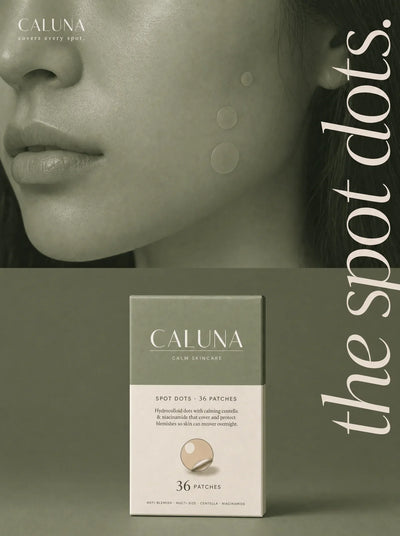
And when an actual whitehead surfaces on your nose, resist the urge to scrub or squeeze it — cover it. A hydrocolloid patch is known for covering a spot, absorbing the fluid it gives off, and keeping your fingers off it so the skin can feel calmer while it settles. Our Spot Dots do exactly that right now — 36 invisible dots to a box at $11.99, about 33¢ a dot.
What about the curve of the nose itself?
A flat round dot doesn't love the curve where the nose meets the cheek — it tends to lift at the edges there. That shape problem is exactly why a T-shaped cover made for the bridge and the sides of the nose is coming in November — join the nose list. It's a simplified hydrocolloid formula, with the final ingredient list published at launch.
When should you see a dermatologist?
When your nose is painful, deeply broken out, or just won't settle no matter how gentle you are with it. Washing habits are surface tools — they aren't medical advice.
Persistent or painful breakouts deserve a professional's eyes, and there's no shame in booking the appointment.
Race update: nose 3 · forehead 2 · chin 1 · kids 1.
The zone with the most names launches first on November 1st — pick yours.
— Jake, founder of Caluna.