
Does putting toothpaste on a pimple actually work? No. Dabbing toothpaste on a spot is an old bathroom-cabinet trick, but it is not a reliable or safe way to deal with a breakout, and it often leaves skin more irritated than before. Toothpaste is made to clean teeth, not to sit on your face, and the ingredients that scrub enamel can be harsh on the delicate skin around a blemish. Below is what the myth gets wrong, and a few calmer things to reach for instead.
Why do people think toothpaste helps a pimple?
The idea took hold because toothpaste can feel like it is doing something: it tingles, and a spot may look slightly flatter the next morning. That change is mostly from ingredients drawing water out of the skin and a bit of temporary swelling going down, not from anything healing the blemish. Older toothpastes sometimes contained ingredients like baking soda, menthol, or triclosan that felt drying on a spot, which is where the folklore started. Most modern toothpastes have moved away from those, and many now contain sodium lauryl sulfate, flavoring, and whitening agents that are especially likely to bother facial skin.
What can toothpaste actually do to your skin?
On the skin, toothpaste can cause redness, stinging, dryness, and even small patches of irritation or peeling around the spot. That reaction can make a single blemish look angrier and more noticeable, which is the opposite of what most people are hoping for. The area around a pimple is already inflamed, and layering on a high-pH, fragranced product tends to disrupt the skin barrier further. If your skin is sensitive, the irritation from the toothpaste can linger longer than the original spot would have.

What should you use on a pimple instead of toothpaste?
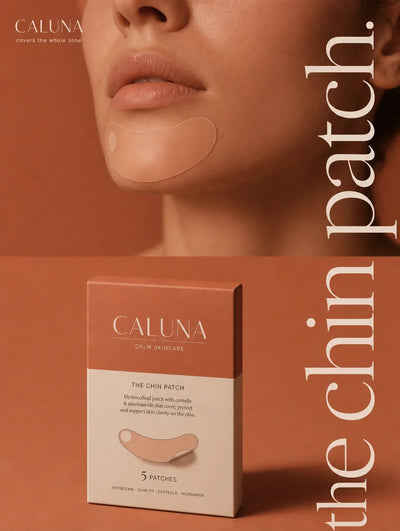
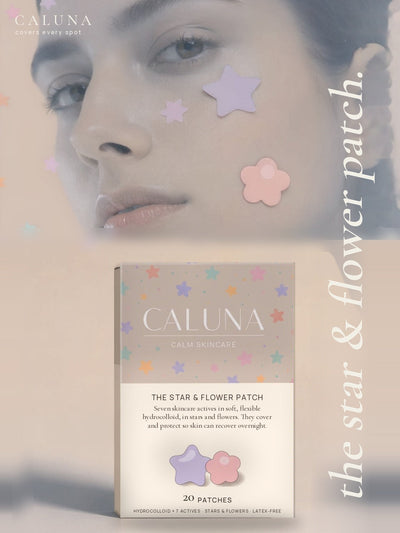
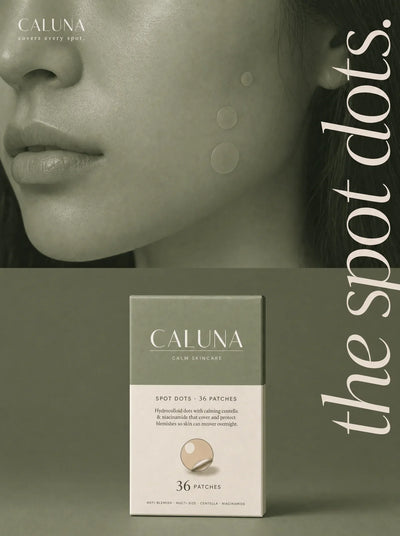
A cleaner swap is a hydrocolloid pimple patch, which covers the spot with a soft gel dot instead of a drying paste. Hydrocolloid is the same absorbent material used in wound dressings, and on a blemish it is known for gently drawing up fluid while creating a protective cover over the skin. Just as importantly, a patch physically stops you from touching or picking at the spot, which is one of the most common ways a single blemish gets worse. Caluna's hydrocolloid pimple patches go a step further with seven skin-loving actives blended into the patch, including hydrocolloid, tea tree oil, salicylic acid, centella asiatica, calendula, niacinamide, and hyaluronic acid, where most patches on the shelf have none.
How do you care for a single breakout overnight?
The gentlest overnight routine is usually the simplest one. Cleanse your face with a mild cleanser and pat it dry, then leave the spot alone rather than squeezing it. If you want to cover it, place a clean hydrocolloid patch over the dry blemish and leave it on for six to eight hours, or overnight, so it can absorb fluid and keep your fingers away while you sleep. In the morning, peel the patch off gently, rinse, and moisturize as usual. Skipping harsh DIY remedies like toothpaste, lemon juice, or rubbing alcohol gives your skin the calmest possible starting point.
When should you see a dermatologist?
Home care is fine for the occasional single spot, but some breakouts deserve professional help. If you have painful, deep cysts, acne that keeps coming back in the same areas, or breakouts that are scarring or affecting how you feel day to day, a dermatologist can look at the bigger picture and talk through options that a patch or a swapped-out routine cannot. There is no prize for toughing it out, and getting the right guidance early tends to save both skin and stress.
The short version: toothpaste belongs on your toothbrush, not your face. A gentle cleanse, hands off the spot, and a well-made hydrocolloid patch will treat your skin far more kindly than anything from the toothpaste tube, and your face will usually thank you for the calmer approach.
— Jake, founder of Caluna.