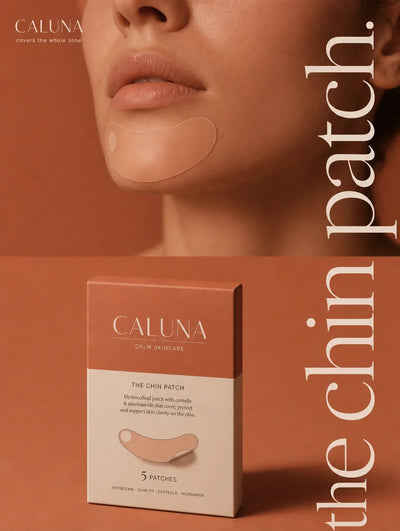
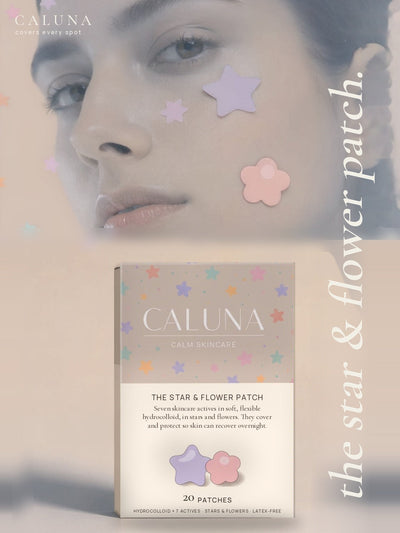

We're a little over two weeks out from Launch 2.0 on November 1st, and the nose list is still out front in the zone race this morning (full standings at the bottom) — fitting, because today's question is a habit I catch myself doing all day. Does touching your nose cause breakouts? Touching won't conjure a pimple out of clean skin on its own, but your fingers carry oil, grime, and bacteria, and pressing or picking at the oiliest, most break-out-prone patch on your face transfers all of it right where it does the most harm.
Does touching your nose really cause pimples?
Not directly — but it tips the odds. A touch doesn't inject acne into healthy skin, yet it keeps adding oil, dirt, and friction to a zone that's already primed to clog.
Your nose sits dead center of the T-zone, where oil glands are packed in tighter than almost anywhere on your face. Your hands, meanwhile, spend the day on door handles, phones, keyboards, and steering wheels. Every absent-minded rub moves a little of that onto skin that already makes plenty of its own oil — so touching rarely starts a breakout, but it's happy to feed one.
Why is the nose such a magnet for our hands?
Because it itches, flakes, runs, and sits in the middle of everything. We rub it when we think, push glasses up it, wipe it in allergy season, and pick at any bump the second we feel one.
Most of this happens below the level of noticing. I'm a plumber — my hands are on something filthy half the day — and I still catch myself resting my face against my knuckles at the kitchen table. The nose just happens to be the part of the face that's easiest to reach and hardest to leave alone.

Is picking a nose pimple worse than just touching it?
Much worse. A light touch adds a little grime; squeezing a spot forces bacteria deeper and can turn a two-day bump into a mark that hangs around for two weeks.
The skin on and around the nose is thin and close to a lot of blood vessels, so a spot you've dug at tends to go redder and stay sore longer than one you left alone. The honest rule here is the same one I give for every zone: hands off. A pimple that's covered, kept clean, and ignored almost always settles faster than one you've worked over in the bathroom mirror.
What about pushing your glasses up your nose?
That counts too. The constant little contact where frames rest — the bridge and the sides of the nose — presses oil and bacteria into the exact creases where nose breakouts love to cluster. Wiping your frames down now and then does more good than you'd expect.
How do you actually keep your hands off your nose?
You can't think your way out of a reflex, so make the habit harder instead of leaning on willpower. A few things that have worked for me and for people who've emailed in:
- Keep your nails short — long nails make picking easy and do the most damage
- Put a patch over a surfaced spot so your finger hits a barrier, not the pimple
- Keep your hands busy in the moments you tend to drift — usually screens and stress
- Wipe down the things that touch your nose all day: glasses, phone, sunglasses
- Wash and dry your face after a sweaty shift so you're not tempted to rub the shine away
Does covering the spot actually help you stop touching it?
Yes — and it's the trick I lean on hardest. A hydrocolloid patch is known for covering a surfaced spot, absorbing the fluid it gives off, and putting a physical barrier between the pimple and your fingers, so the absent-minded pick lands on a sticker instead of your skin.
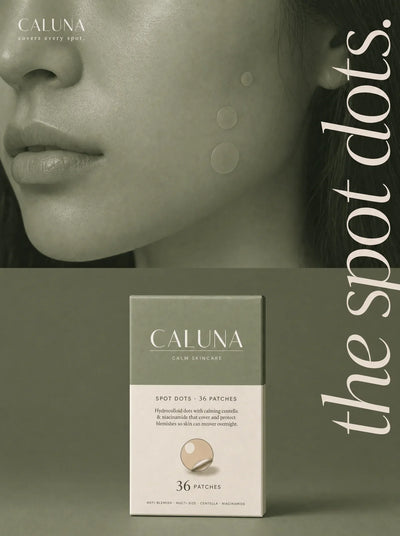
For a single spot you can reach today, our Spot Dots are the thing I keep by the sink — 36 invisible dots to a box at $11.99, about 33¢ a dot. Press one onto clean, dry skin (oil is the one thing that stops it sticking on a nose) and leave it 6 to 8 hours or overnight. For spots down in the crease beside the nostril, where a round dot never wants to stay, The Nose Patch — a single T-shaped piece that follows the nose and its sides — is coming in November — join the nose list. It's a simplified hydrocolloid formula, with the final ingredient list published at launch.
When should you stop worrying about your hands and see a dermatologist?
If your nose breaks out in deep, painful, or cystic bumps, or keeps flaring in the same spot no matter how little you touch it, that's a dermatologist conversation — not a willpower problem.
I'm a founder and a plumber, not a doctor, so take the hands-off advice for what it is: a genuinely useful habit that saves a lot of marks, not a treatment plan. Keep the touching down, cover what surfaces, and get a professional's eyes on anything that won't settle.
Race update: nose 3 · chin 1 · forehead 2 · kids 1.
The zone with the most names launches first on November 1st — pick yours.
— Jake, founder of Caluna.