 Liquid error (snippets/caluna-cart-extras line 104): invalid url input
We're about seven weeks out from the November 1st launch, and the nose list is quietly out in front right now, so today let's talk about a spot a lot of people started noticing a few years back and never fully shook: the nose under a mask. Short version — a mask doesn't really cause acne, but the friction, trapped heat, and humidity underneath it can irritate your skin and push the nose into breaking out, usually right where the mask presses. If your bumps show up in a band across the bridge and sides of your nose, the mask is worth a hard look.
Does wearing a mask actually cause nose acne?
Not exactly — but it creates the conditions acne tends to like. Dermatologists nicknamed it "maskne," and it's usually a form of acne mechanica: skin that flares from friction and pressure rather than from anything going on deep in the pore.
Under a mask you get three things at once — fabric rubbing the same strip of skin, warm humid air from your breath sitting against it, and less airflow than the skin is used to. That combination can trap oil and sweat and leave the surface redder and more prone to clogged-looking bumps. The mask itself isn't the villain; the little climate it builds is.

Why the bridge of my nose and not everywhere?
Because that's where a mask actually lands. The stiff wire and top edge ride on the bony bridge, so the rubbing and pressure concentrate there instead of spreading out evenly.
Your nose is also the oiliest zone on your face — the T-zone carries the densest oil glands anywhere on the skin — so there's simply more oil to get trapped right where the mask presses hardest. That's why the bridge and the sides take the brunt while your cheeks under the same mask often stay fine.
How do you keep a mask from breaking out your nose?
Cut the friction, cut the trapped moisture, and give the skin a clean surface to sit against. None of it is dramatic, but the small changes stack up fast.
- Start with a clean mask. A cloth mask collects oil and needs a wash between wears; a disposable is meant to be swapped, not re-worn for days.
- Get the fit right. Snug enough to stay put, not so tight the wire digs into the bridge — constant pressure is what irritates the skin.
- Let it breathe when you safely can. A minute with the mask off lets the skin cool and dry instead of stewing.
- Go easy afterward. It's tempting to scrub the bridge raw at night. Don't — over-washing strips the skin and tends to make it flare more, not less.
- Keep your fingers off. Adjusting the mask all day drags whatever's on your hands across the exact spot that's already unhappy.
What about a spot that's already there?
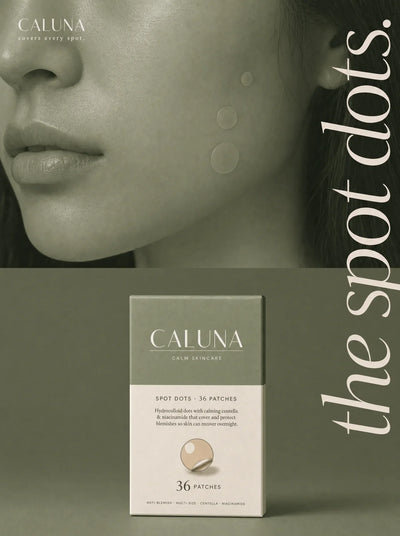
Cover it. A hydrocolloid patch sits over the bump, absorbs the fluid, and — maybe more usefully under a mask — keeps the fabric and your fingers off it while the skin settles.
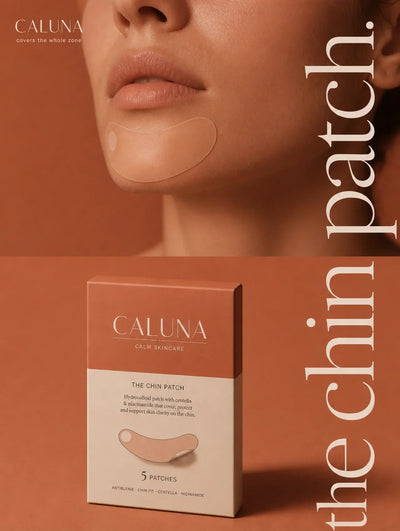
Our Spot Dots are made for exactly that: small, invisible, and known for staying put through a sweaty day. And if your breakouts tend to live along the bridge and sides rather than in tidy single dots, that's the whole reason we shaped a patch for the nose — one T-shaped piece instead of dots that slide off a curved, oily surface. It's a simplified hydrocolloid formula, final ingredient list published at launch, coming in November — join the nose list.
When is it worth seeing a dermatologist?
If the breakouts are painful, cystic, or just won't quit no matter what you change, that's a conversation for a dermatologist rather than a patch. Patches and habit tweaks are for the everyday stuff; persistent or painful breakouts can have causes worth a professional look, and there's no prize for toughing it out.
Race update: nose 3 · chin 1 · forehead 1 · kids 1. The zone with the most names launches first on November 1st — pick yours.
— Jake, founder of Caluna.