
We're a little over two weeks out from Launch 2.0 on November 1st, and the nose list is holding first place this morning (full standings at the bottom). Fitting, because today's question is one I hear from anyone who spends a shift in a mask: does wearing a mask break out your nose? It can — a mask doesn't inject acne into clean skin, but trapping heat, sweat, and your own breath against the bridge of your nose for hours is a textbook friction-and-occlusion trigger, and the bridge is right where it tends to land.
Does wearing a mask actually cause nose breakouts?
Not out of nothing — but it stacks the deck. A mask seals warm, damp air against the skin and rubs a little every time you talk or move, and that combination nudges a pore that was already borderline into a visible bump.
Most of us felt this during the mask-heavy years, and plenty of people still wear one daily — on a plane, through allergy season, on a dusty job, or when they're sick and trying not to share it. The longer it sits and the more you sweat under it, the more the odds climb.
What is "maskne," really?
"Maskne" is just a nickname for acne mechanica on the lower face — breakouts driven by pressure, friction, and trapped moisture rather than by hormones or diet. The mask is the mechanical part; your skin supplies the rest.
It's the same mechanism dermatologists point to with helmets, chin straps, and a phone held against the jaw. A mask adds one extra ingredient most of those don't: your own warm, humid breath, pooling against the nose and mouth with nowhere to go. This is educational, not a diagnosis.

Why does the bridge of your nose get it worst?
Because the bridge takes the most pressure and the nose is already the oiliest patch on your face. The mask's top edge presses right into that spot, and the nose sits dead center of the T-zone, where oil glands pack in tighter than almost anywhere else.
So you've got a high-oil, clog-prone zone taking steady contact for hours, sealed under warmth and humidity. That overlap — the oiliest real estate meeting the firmest pressure — is why the bridge and the sides of the nose flare before the cheeks do.
What about dust masks and respirators on the job?
Same story, often worse. I'm a plumber, so I know what a tight-sealing respirator does to a face over a full day — the firmer the seal, the more friction and trapped sweat right across the nose. A snug work mask protects your lungs and hammers your bridge at the same time.
How do you stop a mask from breaking out your nose?
You can't always ditch the mask, so lower the heat, friction, and grime around it instead. A few things that have worked for me and for people who've emailed in:
- Swap to a clean mask often — a disposable one daily, a cloth one after each wear, the way you'd swap a pillowcase
- Choose a softer, breathable fabric over scratchy or stiff material against bare skin
- Take a mask break when you're safely able to, so the bridge isn't sealed all day
- Rinse and pat your nose dry after a sweaty, masked-up stretch instead of letting the film sit
- Go light on heavy moisturizer or makeup right where the edge presses, and keep your fingers off whatever surfaces
Does covering the spot help while you're still in the mask?
Yes — and it does double duty. A hydrocolloid patch is known for absorbing the fluid from a spot that's come to a head, and it puts a physical barrier between the pimple and the mask edge rubbing over it.
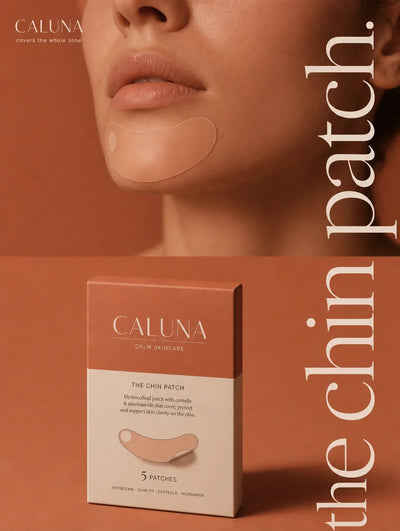
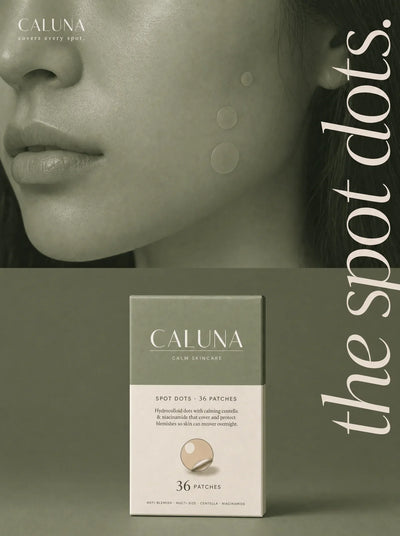
For a single spot you can see today, our Spot Dots are the thing I keep by the sink — 36 invisible dots a box at $11.99, about 33¢ a dot. Press one onto clean, dry skin (oil is the one thing that keeps a patch from sticking on a nose) and leave it 6 to 8 hours or overnight. For spots down in the crease where a round dot never wants to stay, The Nose Patch — a single T-shaped piece that follows the nose and its sides — is coming in November — join the nose list. It's a simplified hydrocolloid formula, with the final ingredient list published at launch.
When should you see a dermatologist?
If your nose breaks out in deep, painful, or cystic bumps, or keeps flaring under the mask no matter how clean you keep it, that's a dermatologist conversation rather than a habit to tweak. I'm a founder and a plumber, not a doctor — so take the mask tips for what they are: a genuinely useful way to cut the odds and protect the spots you've got, not a treatment plan.
Race update: nose 3 · forehead 2 · chin 1 · kids 1.
The zone with the most names launches first on November 1st — pick yours.
— Jake, founder of Caluna.