

Most pimple patches work best when you leave them on for 6 to 8 hours, and the clearest signal that one is done is simple: it turns cloudy or white. A hydrocolloid patch quietly absorbs fluid from a surfaced spot the whole time it's on, so once it's saturated and opaque, it has done its job and it's time for a fresh one. Below is exactly how to time it through the day and overnight.
How long should you wear a pimple patch?
Aim for 6 to 8 hours per patch, or until it turns white. That window gives a hydrocolloid patch enough time to draw out fluid from a whitehead-style spot while it stays put and protected.
If your spot is very active, the patch may go cloudy sooner than 6 hours — that's fine, swap it early. If it's still clear after 8 hours, the spot may not have much to give yet, and you can leave the patch on a little longer or take a break. There's no prize for leaving one on for 24 hours straight; a fresh patch on clean skin does more than a maxed-out one.
How do you know when to change a pimple patch?
Change it as soon as it turns white, cloudy, or starts lifting at the edges. The color change means the patch has absorbed about as much fluid as it can hold.
A quick rule of thumb: peek at the patch when you'd naturally check a mirror — morning, midday, before bed. If it looks milky or puffy in the center, gently peel it off (pull toward the spot, not away from it) and, if the spot is still open or weeping, put a clean one on. If it still looks clear and flat, leave it.

Can you wear a pimple patch overnight?
Yes — overnight is one of the best times to wear one, and 7 to 8 hours of sleep lines up almost perfectly with the ideal wear window. A patch also acts as a physical barrier that keeps your fingers (and your pillow) off the spot while you sleep.
Apply it to clean, dry skin as the last step of your night routine, after any moisturizer has fully absorbed — patches stick best to bare, dry skin, not a damp or freshly-oiled surface. In the morning, peel it off and you'll often find the spot looks flatter and calmer, and your skin feels less tempted to pick at.
Can you wear a pimple patch too long?
You can't really harm your skin by leaving one on, but past the point of saturation it stops being useful. A cloudy, over-full patch isn't absorbing anything new, and it's more likely to slide off or leave a mark on your skin.
Leaving a patch on for a full day also means it's collecting the day's oil and grime around the edges. Two fresh 8-hour patches will almost always beat one that's been on for 20 hours. Think of them like a bandage: change it when it's spent.
How many times can you reuse a pimple patch?
None — pimple patches are single-use. Once you peel one off, its adhesive and its absorbing gel are done, and re-sticking a used patch just puts old fluid back against your skin.
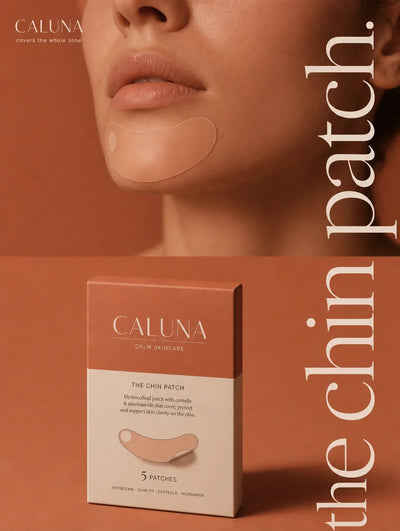
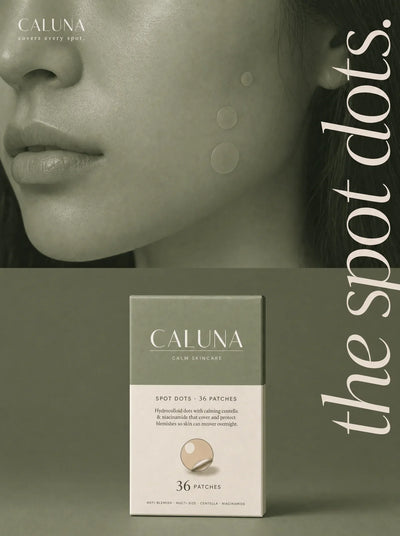
That's part of why patch count matters when you buy. A box of Caluna has 36 patches, so even if you're changing one twice a day during a stubborn breakout, you've got plenty of fresh ones to reach for. Using a clean patch every time is the whole point.
What if the pimple hasn't surfaced yet?
Hydrocolloid patches work best on spots that have come to a head, because there's fluid at the surface for them to absorb. On a deep, closed bump under the skin, a patch mostly acts as a barrier that stops you from prodding it — still useful, just don't expect the same flattening.
For those deeper spots, the extra ingredients in a patch can help skin feel calmer while you wait. Caluna's hydrocolloid pimple patches layer in seven skin-loving actives — hydrocolloid, tea tree oil, salicylic acid, centella asiatica, calendula, niacinamide, and hyaluronic acid — where most patches have zero, so the spot stays covered and protected while it does its thing. And if a breakout is severe, painful, or just won't quit, that's a good moment to check in with a dermatologist rather than riding it out with patches alone.
The short version
- Wear time: 6 to 8 hours, or until the patch turns white.
- When to swap: as soon as it looks cloudy, puffy, or lifts at the edges.
- Overnight: great — apply to clean, dry skin as your last step.
- Reuse: never; every patch is single-use.
- Best target: spots that have surfaced, where there's fluid to absorb.
Patches reward patience more than fiddling. Put a clean one on, leave it the full window, and let it quietly do the work while you get on with your day.
— Jake, founder of Caluna