
Short answer: yes, calendula is a gentle, well-tolerated ingredient that suits most breakout-prone skin. It is a botanical extract known for helping irritated skin feel calmer and more comfortable — think of it as a soothing supporting act, not a spot treatment that clears a blemish on its own.
Calendula shows up on a lot of ingredient lists without much explanation, so it is easy to scroll past and assume it is filler. It is one of the seven actives we build into our own patches, so I have spent more time than most reading up on what it actually does. Here is the plain version — what it is, whether it is right for skin that breaks out, and how to use it without overthinking it.
What is calendula?
Calendula is an extract from the marigold flower, specifically Calendula officinalis, used in skincare and traditional skin preparations for a very long time. On an ingredient list it usually appears as calendula officinalis flower extract or flower oil.
It belongs to the family of plant ingredients valued for being gentle rather than aggressive. It does not exfoliate, it does not cut oil, and it is not an acid. Its reputation is built on comfort — it is the ingredient you reach for when skin feels reactive, not the one you reach for to scrub something off.

Is calendula good for acne-prone skin?
For most people, yes. Calendula is lightweight, non-greasy, and known for helping stressed or irritated skin feel calmer — which is useful when a breakout has left the surrounding skin red and tender.
Breakout-prone skin often gets treated roughly: strong actives, hard scrubbing, drying spot gels. That approach can leave the skin around a spot more irritated than the spot itself. A soothing botanical like calendula sits on the other side of that equation — it supports the skin while the harder-working ingredients do the targeted work. It is also generally well tolerated, so it rarely adds a new problem for sensitive, blemish-prone skin.
Does calendula clear or cure pimples?
No — and anyone promising that is overselling it. Calendula is a cosmetic ingredient known for helping skin feel calmer and more comfortable, not a medicine that treats, cures, or prevents acne.
This matters because the internet is full of botanicals dressed up as cures. Calendula earns its place by making skin feel soothed and looking less angry, which is a real and worthwhile job — just not the same job as a prescription or a medical treatment. Keeping that distinction straight saves you money and disappointment.
What does calendula do in a pimple patch?
In a loaded hydrocolloid patch, calendula rides along with the gel so the skin under the patch has something soothing against it, not just plain adhesive. The hydrocolloid covers the spot and absorbs fluid; calendula is there to help the covered skin feel calmer while that happens.
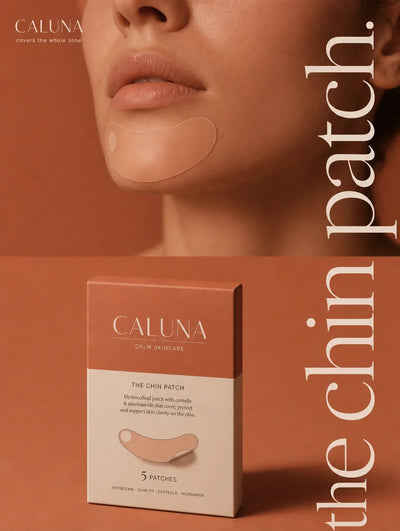
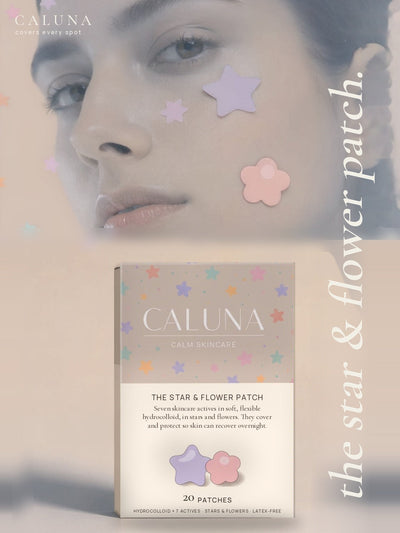
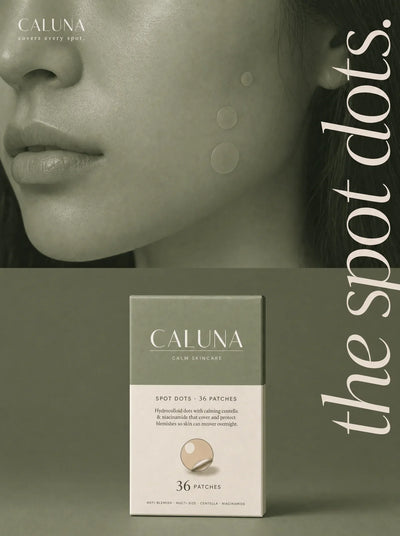
Most pimple patches on the market are hydrocolloid and nothing else — the sticker absorbs, and that is the whole story. We took a different view with Caluna's patches, pairing hydrocolloid with six more skin-loving actives: calendula and centella asiatica (both known for helping skin feel calmer), tea tree oil and salicylic acid (both known for keeping pores feeling clear), plus niacinamide and hyaluronic acid. That is seven actives in one invisible dot — 36 to a box for $11.99, about 33 cents a dot, and each one stays on for 6 to 8 hours or overnight. Seven actives; most patches have zero.
How do you use calendula on breakout-prone skin?
Treat it as a comfort layer, not a hero step. You will usually find calendula inside a moisturizer, a soothing serum, or a patch rather than as a standalone product, and that is exactly where it works best.
- Look for it on labels as calendula officinalis flower extract or oil, often grouped with other gentle botanicals.
- Pair it with your actives rather than instead of them — it soothes, it does not exfoliate or unclog.
- Patch-test anything new on your jaw for a few days first; calendula is a flower extract, and a small number of people are sensitive to the daisy and marigold family.
- Lean on it most when your skin feels tight, reactive, or over-treated and needs a calmer touch.
When should you see a dermatologist?
If your breakouts are painful, cystic, widespread, or just will not settle no matter what you change, that is a conversation for a dermatologist rather than another soothing ingredient. A gentle botanical helps skin feel comfortable; it is not a plan for persistent acne.
Calendula is a lovely, low-drama addition to a routine for skin that breaks out — the kind of ingredient that quietly makes everything feel a little calmer. Just hold it to what it honestly is: a comfort ingredient, not a cure. For the stubborn stuff, real medical advice beats any flower extract.
Seven actives. Most patches have zero.
— Jake, founder of Caluna.