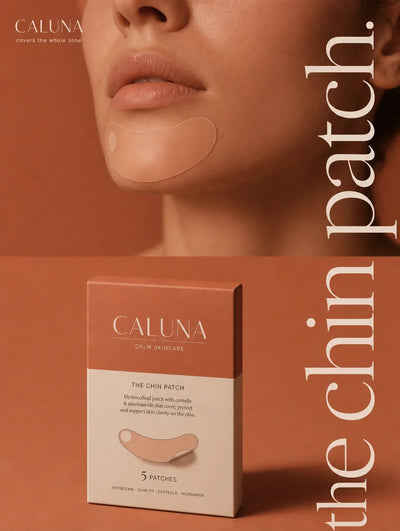
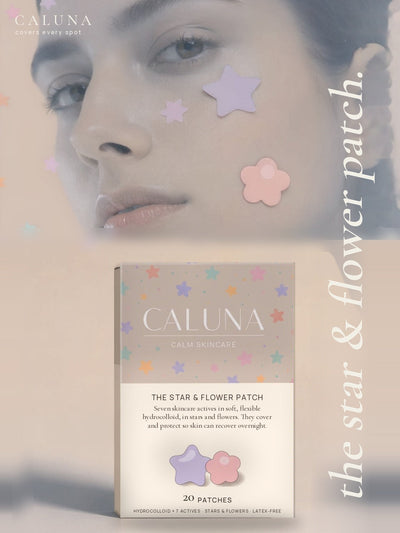
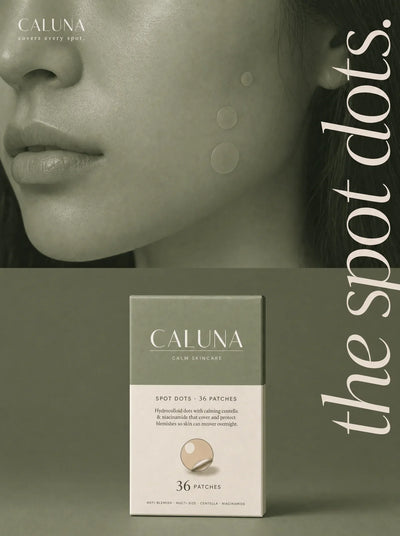

We're a few weeks out from Launch 2.0 on November 1st, and the chin list is sitting at one vote while nose pulls ahead — so if your breakouts live on your chin, now's a good time to make it count. But first, the question I get asked most about this zone: is chin acne always hormonal? The short answer is no — hormones are one common driver, but plenty of chin breakouts come from things that have nothing to do with your cycle.
Is chin acne always hormonal?
No. Hormonal shifts are a well-known reason breakouts settle low on the face, but they are not the only reason — and assuming "it's just hormones" can mean missing a fixable cause sitting right in front of you.
The chin and jawline do tend to react to hormonal changes around your cycle, to stress, and to poor sleep. But this same patch of skin also takes more day-to-day contact than almost anywhere else on your face, and that contact matters just as much.

Why does the chin get blamed on hormones?
Because the timing often lines up. Chin breakouts that show up in the same spot, around the same point each month, feel hormonal — and sometimes they are.
The trouble is that "hormonal" has become a catch-all. Once you've decided a breakout is hormonal, it's easy to stop looking for anything you could actually change. And on the chin, there's usually something.
What else causes chin and jawline breakouts?
Quite a lot, as it turns out. The lower face is a contact zone, and most of what lands there is within your control:
- Hands and phones. Resting your chin in your palm or pressing a phone to your jaw presses oil and bacteria into the skin all day.
- Pillowcases and straps. Whatever sits against your jaw for hours — a pillow, a helmet strap, a mask — traps sweat and friction right where chin spots form.
- Shaving. Along the jaw and beard area, a close shave can irritate follicles and leave bumps that look a lot like acne.
- Heavy products. Thick creams and some sunscreens settle into the lowest part of your face and can clog pores there first.
None of those are hormonal. All of them are easier to adjust than your endocrine system.
How can you tell if yours is actually hormonal?
Look at the pattern. Breakouts tied to hormones tend to be deep, tender, and timed to your cycle, showing up in roughly the same place month after month. Breakouts from contact are more scattered and track with your habits — a heavy week of phone calls, a new pillowcase, a richer moisturizer.
If yours are painful, cystic, or just won't let up no matter what you change, that's worth a conversation with a dermatologist rather than another guess.
What actually helps a chin breakout?
Start by getting your hands off it. A hydrocolloid patch is known for covering a spot, absorbing the fluid it gives off, and — maybe most usefully on the chin — keeping your fingers away so the skin can settle and feel calmer.
Right now our Spot Dots cover single chin spots well. For a breakout that spreads along the whole jaw, the Chin Patch — a single crescent that covers the chin and jawline — is coming in November, so join the chin list. It's a simplified hydrocolloid formula, with the final ingredient list published at launch.
Race update: nose 3 · forehead 2 · chin 1 · kids 1.
The zone with the most names launches first on November 1st — pick yours.
— Jake, founder of Caluna.