
Yes, hyaluronic acid is generally a good fit for acne-prone skin. It is a lightweight, water-loving ingredient that adds hydration without adding oil, and it does not clog pores. If you have been avoiding it because your skin is oily or breaks out easily, that worry is mostly a misunderstanding of what hyaluronic acid actually does.
Let's clear up where it fits in a breakout-prone routine, and where the hype gets a little ahead of the science.
What is hyaluronic acid, exactly?
Hyaluronic acid (often shortened to HA) is a molecule your body already makes, and in skincare it acts as a humectant, meaning it draws water and holds it in the upper layers of skin. It is not an exfoliating acid like salicylic or glycolic acid, so despite the word "acid" in the name, it does not sting, peel, or dry anything out. Its whole job is to help skin hold onto moisture and feel plumper and more comfortable.
Is hyaluronic acid good for acne-prone skin?
For most people, yes. Acne-prone skin is often dehydrated, especially if you are using stronger actives like salicylic acid or benzoyl peroxide that can leave skin feeling tight. Hyaluronic acid is known for adding that water back without oil, which is why it shows up in so many lightweight gel moisturizers aimed at oilier skin types.
There is also a comfort angle. When skin feels dry and tight, it is more tempting to skip moisturizer entirely, or to over-strip with harsh products, which tends to leave breakout-prone skin feeling worse, not calmer. A hydrating step helps you stick with the routine you actually need.

Will hyaluronic acid clog pores or cause breakouts?
Hyaluronic acid itself is non-comedogenic, which means it is not known for clogging pores on its own. Pure HA is one of the lower-risk ingredients you can put on acne-prone skin.
The nuance is in the full product. A serum or cream built around hyaluronic acid can still contain heavier oils, fragrances, or thick emollients that some people react to. So if a "hyaluronic acid" product seems to trigger you, the HA is rarely the culprit. Check the rest of the ingredient list and look for something labeled lightweight, oil-free, or non-comedogenic.
How do you use hyaluronic acid if your skin is oily?
Apply it to slightly damp skin, then seal it in. Because HA pulls water toward itself, applying it onto damp skin and following with a light moisturizer gives it water to grab. On completely dry skin in a dry room, a humectant can pull moisture from deeper layers instead, which is the opposite of what you want.
A simple oily-skin-friendly order looks like this:
- Cleanse and pat skin until just damp, not bone-dry.
- Apply a few drops of a hyaluronic acid serum.
- Follow with a lightweight, oil-free moisturizer to lock it in.
- Use sunscreen in the morning as your last step.
You do not need a lot. A thin layer once or twice a day is plenty, and more product does not mean more hydration.
Does hyaluronic acid work with pimple patches?
Yes, and they solve slightly different problems. Hyaluronic acid handles all-over hydration, while a hydrocolloid patch works on one specific spot, covering it, absorbing fluid from a whitehead, and keeping your fingers off it so you stop picking. They layer comfortably: hydrate your whole face first, then place a patch on any raised, gunky spot.
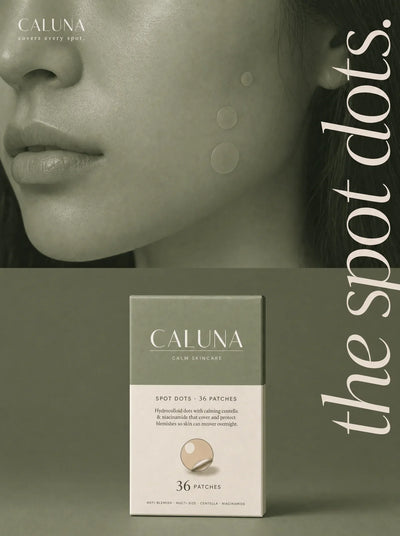
This is one reason we built hyaluronic acid into Caluna's hydrocolloid pimple patches. Each patch carries seven skin-loving actives, including hyaluronic acid, tea tree oil, salicylic acid, centella asiatica, calendula, and niacinamide, so the spot underneath stays covered and comfortable while the patch does its thing. Most patches have zero actives; a box of 36 invisible patches runs $11.99 with a 30-day money-back promise.
The honest takeaway
Hyaluronic acid is one of the gentlest, most broadly useful ingredients for acne-prone skin. It hydrates without oil, does not clog pores, and helps skin feel calmer and more comfortable alongside stronger actives. It is not a spot treatment and it will not clear a breakout on its own, so think of it as the supportive hydration step, not the hero. And if your breakouts are severe or persistent, a dermatologist can help you build a plan for your specific skin.
— Jake, founder of Caluna.