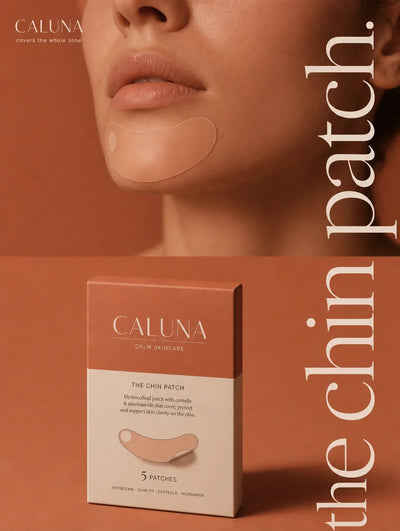

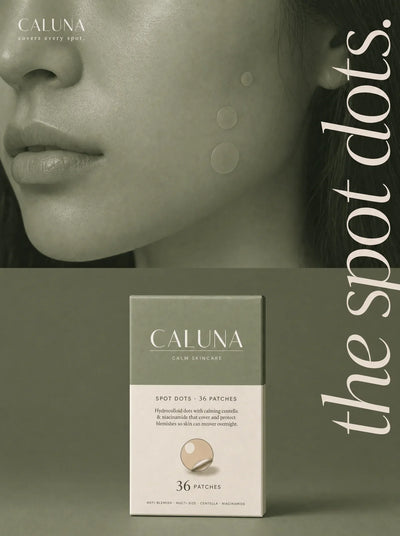

Put your pimple patch on before moisturizer, on clean, dry skin — a hydrocolloid patch needs a bare, dry surface to grip, and a layer of moisturizer or serum underneath will loosen the edges within an hour. The simple rule: patch the spot first, then moisturize around it, not over it.
It's a small ordering question that trips up a lot of people, because everywhere else in skincare we're told moisturizer goes last. Patches are the exception. Here's why, and exactly where the patch fits in your routine.
Do you put a pimple patch on before or after moisturizer?
Before. Apply the patch to clean, dry skin first, then smooth your moisturizer around the patch rather than under or over it. A hydrocolloid patch is basically a dry adhesive dressing, and it bonds best to skin that has nothing slick on it.
If you moisturize first and press a patch on top, you're sticking it to a thin film of emollient instead of to your skin. It might hold for a few minutes, then peel at the edges and slide off — usually right when you don't notice, so you spend hours with an uncovered spot you were trying to protect.

Why won't a pimple patch stick over moisturizer?
Because moisturizers, serums, and face oils leave a slightly slick, damp layer, and hydrocolloid adhesive needs dry skin to seal. Water and oil are exactly what breaks the bond.
Think about how a sticker behaves on a wet window versus a dry one — same idea. The patch's job is to sit flush against the spot, cover it, and quietly absorb the fluid a whitehead gives off, and it can only do that if the seal around the edges is tight. A clean, dry base is what makes that seal happen.
What's the right order for your whole routine?
Cleanse, treat the rest of your face, let everything dry, then patch the spot and moisturize around it. Keeping the actual blemish bare and dry is the one rule that matters.
A simple order that works:
- Cleanse and pat your skin fully dry.
- Apply any serums or treatments to the rest of your face — keep them off the spot you're about to patch, or let them fully absorb first.
- Press the patch onto the clean, dry blemish and hold it for a few seconds so it seals.
- Moisturize the rest of your face, working around the patch.
- In the morning, sunscreen goes around the patch too.
Salicylic acid is known for helping keep pores feeling clear, so it's welcome elsewhere in your routine — just don't slick it directly under a patch you want to stay put.
Can you put moisturizer over a pimple patch?
No — layering moisturizer on top lifts the edges and shortens how long the patch lasts. Moisturize around it instead, and leave the patch surface dry.
This is also why patches and makeup have a specific order: patch first, then makeup around or lightly over it. Anything wet or greasy on top works against the seal. If the skin around the spot feels tight, that's normal — you can always moisturize that area and simply keep the patch itself bare.
How long should you wait, and how long does the patch stay on?
Give your skin a minute or two to dry completely after cleansing, then wear the patch for 6 to 8 hours or overnight. Longer isn't better once it turns cloudy.
A patch does its quiet work while it's sealed and absorbing, and many people get the most out of one worn overnight, then swapped in the morning. When the patch turns white or cloudy, it has taken up what it's going to, and that's your cue to replace it with a fresh one on clean, dry skin. Covering the spot has a bonus, too: it physically stops you from picking, which is one of the kindest things you can do for a spot that's trying to settle down.
This is part of why we built Caluna's hydrocolloid pimple patches the way we did — a clear, low-profile patch that seals on dry skin and carries seven skin-loving actives (hydrocolloid, tea tree oil, salicylic acid, centella asiatica, calendula, niacinamide, and hyaluronic acid) where most patches have zero. Put it on a clean, dry spot, moisturize around it, and let it handle the boring, quiet part for you.
One last note: if a spot is very painful, sits deep under the skin, or a breakout just won't settle down, that's worth a conversation with a dermatologist rather than a patch. For the everyday surface whitehead, though, the order is simple — dry skin, patch, then moisturize around it.
— Jake, founder of Caluna.