
Calendula is an extract from the marigold flower, and it's best known for helping skin feel calmer, softer, and more comfortable — the kind of ingredient you reach for when your face feels a little angry. It's a soothing botanical, not a medicine: it won't treat or cure a breakout, but it's one of the gentlest, most time-honored ways to help stressed skin feel more settled.
If you've scanned the ingredient list on a calming toner, a baby balm, or a pimple patch and spotted "calendula officinalis," here's what it's actually doing there — and how to use it well.
What is calendula, exactly?
Calendula is an extract made from the petals of the pot marigold (Calendula officinalis), a bright orange-and-yellow flower. In skincare it usually shows up as an oil, an extract, or a water infusion.
People have put marigold on skin for centuries, which is part of its appeal: it's a well-understood, plant-derived ingredient with a long track record of being gentle. Modern formulas value it for the same reason your grandmother might have kept a calendula salve in a drawer — it's calming and easy for most skin to tolerate.
What does calendula do for your skin?
Calendula is best known for soothing — helping skin that feels irritated, tight, or reactive feel calmer and more comfortable. It's often chosen for redness-prone or easily-annoyed skin.
A few of the things it's traditionally valued for: comforting skin after something harsh like sun, wind, or over-exfoliation; supporting a feeling of softness and suppleness; and pairing nicely with a stressed or compromised moisture barrier. It's a "put out the fire" kind of ingredient rather than an active that resurfaces or exfoliates. To be clear, these are comfort-and-feel benefits — calendula isn't a drug and doesn't treat skin conditions.

Is calendula good for acne-prone or breakout-prone skin?
Yes — calendula is a popular choice for breakout-prone skin because it's soothing and generally non-irritating, which is exactly what inflamed-feeling skin tends to want. It won't clear a breakout on its own, but it plays a helpful supporting role.
Breakout-prone routines often lean on stronger actives — salicylic acid, retinoids, benzoyl peroxide — that can leave skin feeling dry or tight. A calming ingredient like calendula is a nice counterweight: it helps skin feel less reactive so you can keep using the products doing the heavier lifting. If your acne is severe, painful, or persistent, a dermatologist is the right call — no botanical replaces real medical care.
Can calendula irritate sensitive skin?
For most people calendula is very well tolerated, which is a big reason it turns up in products made for sensitive skin. The main caveat: calendula is part of the daisy (Asteraceae) family, so if you have a known allergy to ragweed, daisies, or marigolds, patch-test first.
As with any new ingredient, dab a little on your inner arm or jawline and wait a day before going all-in. That's true for the gentlest botanicals as much as for the strongest acids.
How do you use calendula in a routine?
The easiest way is to let calendula ride along in products you already use — a calming toner, a moisturizer, a soothing serum, or a spot treatment — rather than hunting for a standalone "calendula step." It layers well and doesn't compete with your other actives.
It's a great morning-and-night ingredient because it's so low-drama. Apply it after cleansing and before a heavier moisturizer, and pair it with other gentle hydrators like hyaluronic acid or niacinamide for a routine that feels calm rather than stripped.
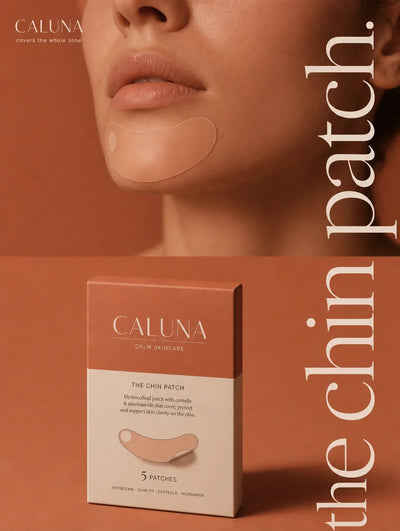
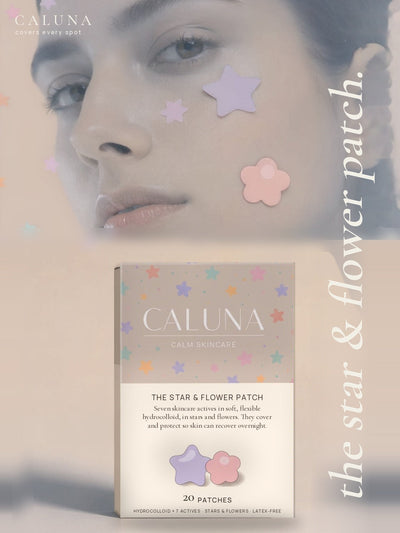
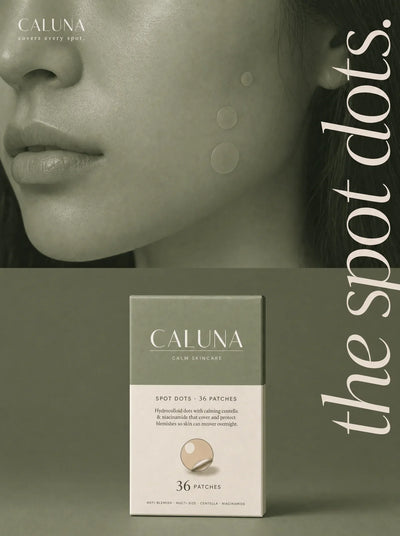
Calendula is one of the seven skin-loving actives we put in Caluna's hydrocolloid pimple patches — alongside centella, niacinamide, hyaluronic acid, tea tree oil, salicylic acid, and the hydrocolloid itself. The idea is simple: while a patch covers a spot and quietly absorbs fluid so you stop touching it, a little calendula is right there helping the skin around it feel calmer. Most patches have zero actives; we thought seven made more sense.
The short version
Calendula is a marigold-flower extract known for soothing and comforting skin, especially skin that's irritated or breakout-prone. It won't treat acne, but as a gentle, well-tolerated botanical it's a lovely supporting player in a calm, barrier-friendly routine. Patch-test if you're allergic to daisies, layer it with your other gentles, and let it do its quiet thing.
— Jake, founder of Caluna.