
Centella asiatica — often called cica, gotu kola, or tiger grass — is a plant extract known for helping skin feel calmer, more comfortable, and less reactive. It won't cure a breakout or make a pimple disappear overnight, but it's one of the most well-liked ingredients for skin that feels red, tight, or irritated, which is exactly the kind of skin most of us have during a breakout.
If you've seen "cica" on a jar and wondered whether it's marketing or something real, here's the honest version: it's a genuinely popular soothing ingredient with a long history in skincare, and it plays especially nicely alongside the more active parts of a breakout routine.
What is centella asiatica?
Centella asiatica is a small leafy herb that has been used in traditional skincare and wellness practices across Asia for centuries. In modern products you'll usually see it listed as "centella asiatica extract" or by one of its active compounds — things like madecassoside and asiaticoside, which are the parts formulators tend to get excited about.
The nicknames trip people up. "Cica" is just short for centella. "Tiger grass" is a folk name. "Gotu kola" is another common one. They're all pointing at the same plant, so if a label uses one and a blog post uses another, you're not comparing two different ingredients.

What does centella asiatica do for your skin?
Centella asiatica is best known for helping skin feel soothed and comfortable, and for supporting a healthy-feeling moisture barrier. Think of it as the calm, steady ingredient in a routine rather than the dramatic one.
People reach for cica when their skin feels irritated, looks flushed, or gets easily reactive to weather, actives, or just a rough week. It's frequently paired with stronger ingredients precisely because it feels gentle: it can make a routine feel more balanced when something else in the lineup is doing the heavy lifting. It's also a favorite for skin that feels dry or over-worked, since a comfortable barrier is a barrier that behaves better day to day.
Is centella asiatica good for breakout-prone skin?
Yes — centella asiatica is a good fit for breakout-prone skin because breakouts often come with redness and irritation, and cica is known for helping skin feel calmer. It won't clear acne on its own, but it can make an active routine feel less harsh.
Here's why that matters. A lot of breakout routines lean on ingredients that can feel drying or tingly. Adding a soothing, barrier-friendly ingredient into the mix helps skin feel more comfortable while you use them, which makes you more likely to actually stick with a routine instead of abandoning it after three irritated days. Cica isn't the ingredient that unclogs a pore; it's the one that helps the rest of the routine feel livable.
Does centella asiatica have side effects?
Centella asiatica is generally considered gentle and well-tolerated, which is a big part of why it's so popular for sensitive and reactive skin. As with any new ingredient, reactions are possible, so it's smart to patch-test before going all in.
To patch-test, apply a small amount to a discreet spot — the inner forearm or behind the ear — and wait about 24 hours to see how your skin responds. If you have persistent, painful, or severe breakouts, or skin that reacts to almost everything, a dermatologist can help you build a routine around your specific skin rather than guessing.
How do you use centella asiatica in a routine?
The easiest way to use centella asiatica is in a leave-on step — a serum, moisturizer, or a patch that sits on the skin — layered under whatever else you're using. Because it's a soothing ingredient rather than an exfoliating one, it's comfortable to use morning or night.
A simple approach: cleanse, apply your active or treatment step, then follow with something soothing like cica, and finish with moisturizer and (in the morning) sunscreen. You don't need a shelf of products to get the benefit — you just need centella somewhere in the routine where it can sit on the skin and do its calm, quiet thing.
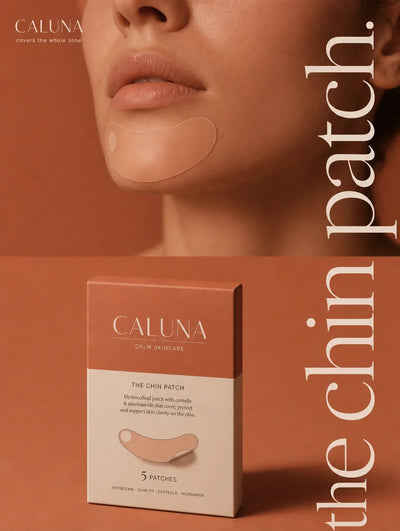
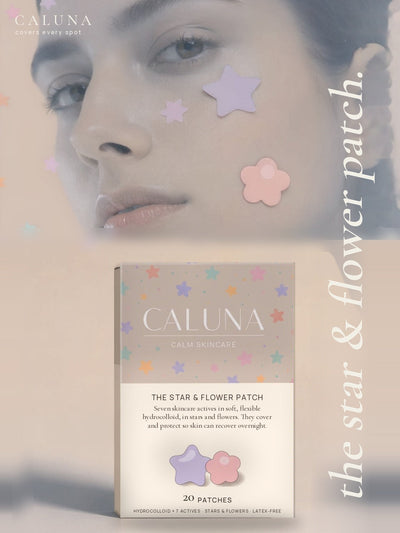
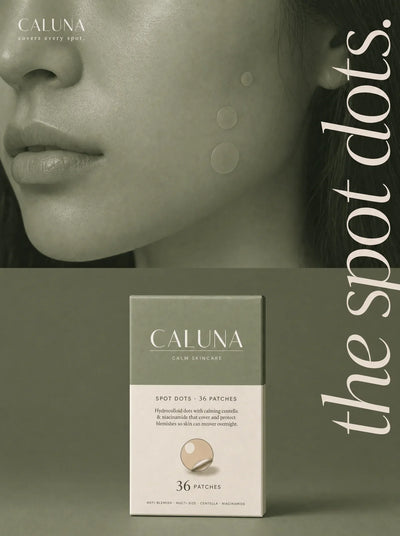
This is also why we built centella asiatica into Caluna's hydrocolloid pimple patches. Each patch pairs fluid-absorbing hydrocolloid with seven skin-loving actives — including centella — so while the patch covers a spot and helps you stop picking, the skin underneath has something calming right there with it. Seven actives; most patches have zero. A box of 36 invisible patches is $11.99, with free US shipping and a 30-day money-back promise if they're not for you.
The bottom line on cica
Centella asiatica is the gentle team player of skincare: it's known for helping skin feel calmer and more comfortable, it plays well with stronger ingredients, and it's a sensible pick for breakout-prone skin that gets red and reactive. It's not a miracle and it's not a spot treatment — it's the ingredient that makes the rest of your routine feel kinder to your face.
— Jake, founder of Caluna.