
Centella asiatica — you'll spot it on labels as "cica" — is a leafy herb that's long been a cornerstone of Korean skincare, and it's best known for helping skin feel calmer: less red, less tight, less reactive. If you have breakout-prone skin that flushes and gets irritated easily, that soothing reputation is exactly why the ingredient keeps turning up in the products you reach for. Here's what it actually is, what it's known for, and how to fit it into a real routine.
What does centella asiatica do for your skin?
Centella asiatica is best known for soothing skin and helping it feel calmer and more comfortable. It's a "settle things down" ingredient rather than a stripping or exfoliating one.
It's rich in plant compounds like madecassoside and asiaticoside — which is why you'll sometimes see "madecassoside" called out on fancier labels — and those are known for supporting the skin's moisture barrier and for their antioxidant properties. In plain terms: when your skin feels angry after a sweaty workout, a long day under a mask, or one too many strong actives, centella is the ingredient people lean on to talk it back down.
What is centella asiatica, and why is it called "cica"?
Centella asiatica is a small green herb — also called gotu kola or "tiger grass" — and "cica" is simply the nickname the skincare world gave it, short for centella.
It's been used in traditional wellness practices across Asia for a very long time, and modern skincare adopted it because it's gentle and well tolerated. You'll find it in creams, serums, toners, sheet masks, and increasingly in hydrocolloid pimple patches. The "tiger grass" nickname comes from old folklore that wild tigers rolled in the plant — unprovable, a little charming, and it stuck.

Is centella asiatica good for breakout-prone skin?
Yes — it's a popular pick for breakout-prone skin because it's known for calming redness and irritation without clogging pores or drying skin out.
A lot of blemish-focused ingredients work by stripping oil or exfoliating, which can leave skin feeling tight and flaky. Centella pulls the other way, so formulators often pair it with stronger actives like salicylic acid (known for keeping pores feeling clear) to keep the overall routine gentle. If your spots tend to be the red, sore, "please don't touch me" kind, having a soothing ingredient in the mix is a sensible move. One honest caveat: centella is a comfort ingredient, not medicine — if your acne is severe or persistent, it's worth seeing a dermatologist rather than relying on any single herb.
Can you use centella asiatica every day?
For most people, yes — centella is gentle enough for daily use and generally plays well with the rest of a routine.
Because it soothes rather than exfoliates, it doesn't carry the "start slow, every other day" caution that something like a retinoid or a high-strength acid does. That's part of why it shows up in both morning and evening products. As always, if you have known allergies or very reactive skin, patch test a new product on your inner arm for a day or two before putting it on your face.
How do you actually get centella into your routine?
The two easiest ways are a cica cream or serum for all-over calm, or a pimple patch with centella built in when you want it focused on a single spot.
A few things worth keeping in mind:
- Look for "centella asiatica" or "madecassoside" in the first half of the ingredient list, not buried at the very bottom.
- Use it alongside your actives, not instead of them — its job is to keep the routine comfortable.
- For one angry spot, a patch keeps the ingredient (and your fingers) exactly where you want them.
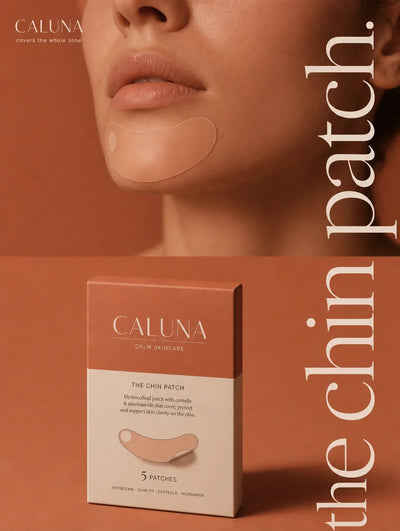
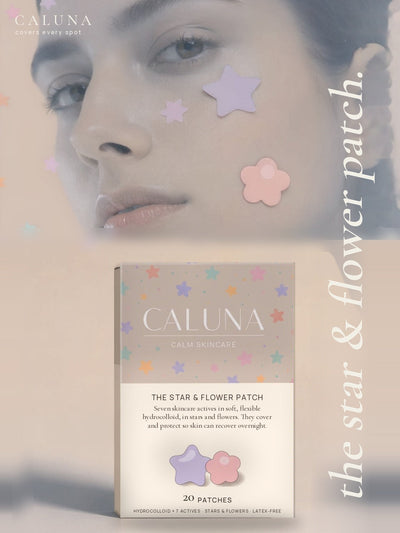
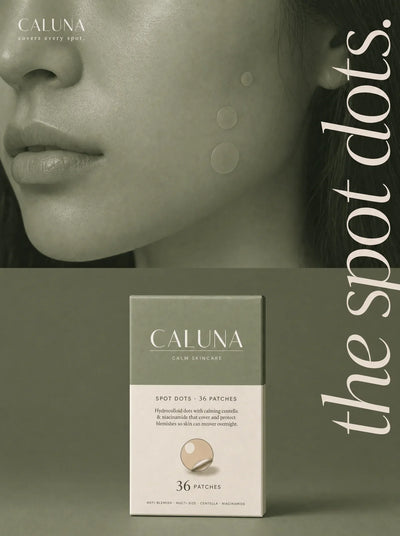
That last point is the whole idea behind our Caluna Hydrocolloid Pimple Patches: centella asiatica is one of 7 skin-loving actives in every one of the 36 invisible patches in a box — most patches have zero — alongside tea tree oil, salicylic acid, calendula, niacinamide, and hyaluronic acid. The hydrocolloid itself covers and protects the spot, absorbs fluid, and (maybe most usefully of all) stops you picking at it overnight, while the actives sit right on the dot where you placed them.
Centella won't do anything dramatic or overnight, and that's rather the point. It's the quiet ingredient that makes everything else feel a little kinder on your skin — which, when you're breakout-prone, is worth a lot.
— Jake, founder of Caluna.