

Niacinamide is a form of vitamin B3 that's known for helping breakout-prone skin look calmer, more even, and less shiny by late afternoon. It won't clear a spot the way a patch covers one, but it's one of the most well-studied, best-tolerated ingredients for the everyday texture-and-tone stuff that makes oily, blemish-prone skin frustrating.
It also happens to be one of the seven actives we tuck into our patches, so I've read more about it than any sane founder probably should. Here's the honest version.
What does niacinamide actually do for your skin?
Niacinamide is known for supporting your skin barrier — the outer layer that holds moisture in and keeps irritation out. When that barrier is in good shape, skin tends to look more even and feel less reactive.
In practice, people reach for niacinamide for three things: a stronger-feeling moisture barrier, a more balanced look to oily areas, and help evening out the look of marks left behind by old spots. It's a quiet, do-a-bit-of-everything ingredient rather than a dramatic one, which is exactly why dermatologists like it and why it turns up in so many products.
Does niacinamide help with oil and large-looking pores?
It's known for helping skin look less shiny and for making pores look less obvious over time — not by shrinking them (nothing really does that) but by keeping them feeling clearer and less stretched.
If your nose and forehead go slick a few hours into the day, this is the part of niacinamide you'll notice most. Pores don't have muscles, so they can't actually open and close, but when they're clearer and the skin around them is in good shape, they catch less shadow and read as smaller. It's a look-and-feel improvement, and it's gradual — think weeks, not overnight.

Can niacinamide calm redness and post-spot marks?
Niacinamide is known for helping skin look calmer and more even, which is why it's a popular pick for the dull red or brown marks a blemish can leave behind. It supports the skin while those marks fade on their own schedule.
Those leftover marks — the flat ones, not raised scars — are one of the most annoying parts of a breakout, because the spot is long gone and the reminder sticks around. Niacinamide won't erase them, but it's one of the gentler ingredients known for helping tone look more even, and it pairs beautifully with sunscreen, which is the single biggest thing that keeps marks from looking darker.
How do you add niacinamide to a breakout-prone routine?
Keep it simple: a niacinamide serum or moisturizer once or twice a day, after cleansing, is plenty. It's water-friendly and low-drama, so it layers under almost anything.
- Apply it to clean, slightly damp skin, morning or night (or both).
- Pair it with sunscreen in the daytime — that combination does more for even-looking skin than either one alone.
- Give it four to eight weeks before you judge it; niacinamide is a slow, steady ingredient, not a quick fix.
- Patch-test a new product on your jaw for a couple of days if your skin runs sensitive.
Can you use niacinamide with other actives?
Yes — niacinamide is one of the most compatible actives out there and sits happily alongside salicylic acid, hydrocolloid, hyaluronic acid and the rest. That easygoing nature is the whole reason it's so common.
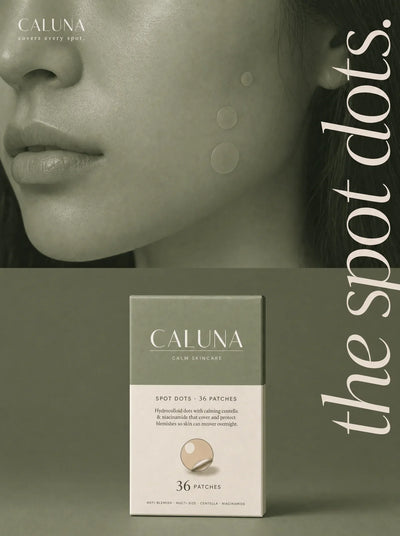
The old internet worry about mixing niacinamide with vitamin C has mostly been put to rest; for the vast majority of people they're fine together. If you'd rather keep things effortless, you can also just let your spot cover-up do the layering for you. Our Caluna Hydrocolloid Pimple Patches carry niacinamide alongside six other skin-loving actives — hydrocolloid, tea tree oil, salicylic acid, centella asiatica, calendula and hyaluronic acid — on a single invisible dot. That's seven actives where most patches have zero. It's 36 patches a box at about 33 cents a dot, free US shipping, and the first box is $6.99 with code FIRSTBOX.
When should you see a dermatologist instead?
If your breakouts are painful, deep, widespread, or just won't let up no matter what you try, a dermatologist is the right call. Niacinamide is a lovely supporting player, but persistent or severe acne deserves a professional's eyes.
Everyday skincare can do a lot for texture, tone and shine, but it isn't a substitute for medical advice when something is genuinely bothering you. There's no prize for toughing it out.
— Jake, founder of Caluna