

Niacinamide is a form of vitamin B3, and in skincare it's best known for helping skin look calmer, more even, and less shiny over time. If you've spotted it on half the bottles at the drugstore and wondered whether it's hype, the short answer is that it's one of the most well-studied, best-tolerated ingredients on the shelf — a quiet workhorse rather than a trend.
I'm Jake, and I put niacinamide in Caluna's patches for a reason: it plays well with almost everything and rarely causes drama. Here's what it actually does, in plain language, plus how to fit it into a routine without overthinking it.
What is niacinamide?
Niacinamide is a water-soluble form of vitamin B3 (you may also see it listed as "nicotinamide"). It's a small, stable molecule that most skin types tolerate well, which is why it turns up in serums, moisturizers, toners, and even spot patches.
On an ingredient list it usually sits fairly high up, often somewhere around 2–5% in everyday formulas. You don't need a big number to benefit — niacinamide is one of those ingredients where gentle and consistent beats aggressive.

What does niacinamide do for your skin?
In short, niacinamide is known for supporting a healthy-looking skin barrier and helping skin look more balanced — less red, less shiny, and more even in tone. It's a genuine multitasker, which is a big part of why formulators reach for it so often.
Some of the things niacinamide is best known for:
- Supporting the look of a strong, hydrated skin barrier
- Helping skin look less shiny and more balanced through the day
- Softening the look of redness and blotchiness
- Helping pores look less noticeable
- Layering nicely alongside other actives like hyaluronic acid and salicylic acid
Notice the theme: niacinamide is about the overall look and feel of calmer, steadier skin, not a single dramatic fix.
Does niacinamide help with oily skin and large-looking pores?
It's one of the go-to ingredients for people who feel shiny by midday, because it's known for helping skin look more balanced and less oily. When skin looks less congested, pores tend to look smaller too.
To be honest about it: niacinamide won't permanently shrink a pore, because pore size is mostly down to genetics. But by helping skin look smoother and less oily, it can make pores appear less obvious. If your T-zone is your trouble spot, niacinamide is a sensible, low-drama ingredient to lean on.
Can niacinamide help with redness and uneven tone?
It's widely known for helping the look of redness and the marks left behind after a breakout, which is why it's a favorite for skin that flushes easily or holds onto dark spots after a pimple clears. The change is gradual — think weeks, not overnight.
If you tend to get lingering marks once a spot has settled, niacinamide is one of the calmer ways to support a more even-looking tone, without the sting that stronger actives can sometimes bring.
Is niacinamide safe to use every day?
For most people, yes — niacinamide is gentle enough for daily use, morning and night, and it layers well with most other ingredients. It's one of the least irritating actives you'll find.
A couple of honest caveats: a small number of people find very high concentrations slightly tingly, so if your skin runs sensitive, start with a lower-strength product a few times a week and build up. And as with anything new, patch-test on a small area first.
How do you add niacinamide to your routine?
The easy version: cleanse, apply a niacinamide serum or moisturizer, and finish with sunscreen in the morning. You don't need a ten-step routine for it to earn its place — consistency matters far more than complexity.
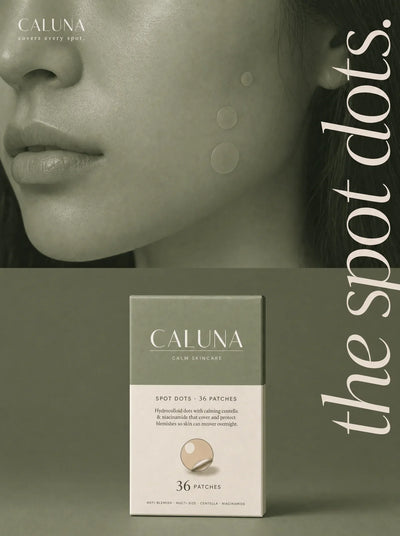
It's also why we don't lean on hydrocolloid alone in our patches. A Caluna Hydrocolloid Pimple Patch carries seven skin-loving actives — hydrocolloid, tea tree oil, salicylic acid, centella asiatica, calendula, niacinamide, and hyaluronic acid — so while the dot covers a spot and keeps your fingers off it overnight, niacinamide and the rest are right there against the skin. Most patches have zero actives; ours has seven, at about 33¢ a dot with 36 in a box. You can see the patches here.
The bottom line
Niacinamide is a low-risk, well-tolerated form of vitamin B3 that's known for helping skin look calmer, more even, and less shiny — a steady background player rather than a headline act. Use it consistently, keep the routine simple, and give it a few weeks before you judge it.
One honest note: skincare ingredients support how your skin looks and feels, but they aren't a substitute for medical care. If your acne is severe, painful, or simply won't budge, a dermatologist can help you build a plan for your specific skin.
— Jake, founder of Caluna