
Non-comedogenic means a product is formulated to be less likely to clog your pores. You'll see it on moisturizers, sunscreens, makeup and spot-care aimed at breakout-prone skin — but here's the part most people don't realize: it's not a regulated or tested promise, so the word is a helpful signal rather than a guarantee. Knowing what it actually means makes it much easier to shop for skin that breaks out.
What does non-comedogenic mean?
Non-comedogenic means a product is designed not to block your pores. The word comes from "comedo" — the dermatology term for a clogged pore, which shows up as a blackhead (open) or a whitehead (closed).
So when a label says non-comedogenic, the brand is telling you they've tried to leave out ingredients known to sit in pores and contribute to those clogged bumps. It's a formulation goal aimed squarely at people whose skin breaks out easily.
Is "non-comedogenic" a regulated or tested term?
No — and this surprises a lot of people. There's no official standard, certifying body, or required test behind the word, which means any brand can print it on a label without proving anything to anyone.
The term grew out of older lab screens and ingredient checklists that flagged pore-clogging substances. Today it mostly signals that a brand deliberately avoided those known offenders. That's genuinely useful information, but treat it as a thoughtful starting point, not a cast-iron promise.
Does non-comedogenic mean it won't cause breakouts?
Not necessarily. Non-comedogenic lowers the odds of clogged pores for most people, but skin is individual — a formula that's perfect for one person can still break another person out.
It also only speaks to clogging, not irritation. A product can be non-comedogenic and still bother your skin through fragrance, a reactive ingredient, or simply being too rich for your face. Breakouts also come from hormones, friction and sweat, none of which a label can control. That's why patch-testing a new product still matters even when the box says the right things.

How can you tell if a product might clog your pores?
Look past the front of the box to the ingredient list and, most importantly, to how your own skin responds over a few weeks. Heavy oils and waxes sitting near the top of an ingredient list are more likely to feel occlusive on oily skin, while lightweight, water-based formulas usually sit better.
The simplest real-world test is to introduce one new product at a time and give it two to four weeks before judging it. If you pile on five new things at once and break out, you'll never know which one did it. Pay attention to where any new bumps appear, too — breakouts clustered exactly where you apply a product are a useful clue.
What should you look for in spot-care for breakout-prone skin?
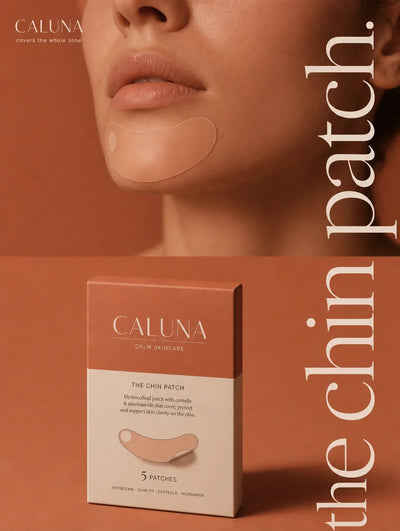
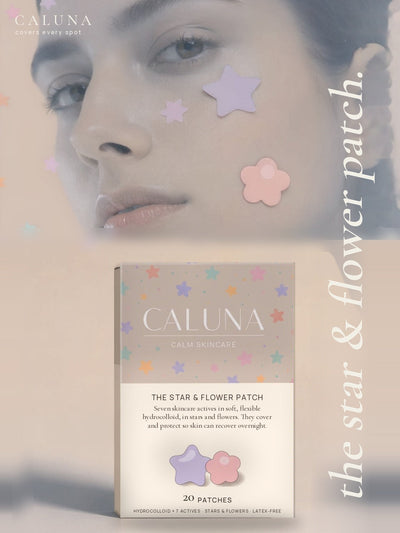
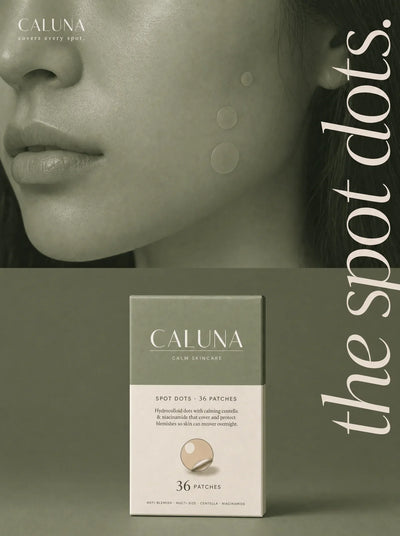
Favor lightweight formulas that calm a spot without leaving a heavy, greasy film for a pore to absorb. One of the simplest options is a hydrocolloid patch, because it sits on top of the spot rather than soaking oily ingredients down into the skin around it.
That's part of why we built Caluna's hydrocolloid pimple patches the way we did: a thin, nearly invisible dot that sits lightly on top of the spot, covering and protecting it overnight while carrying seven skin-loving actives — hydrocolloid, salicylic acid, tea tree oil, centella asiatica, calendula, niacinamide and hyaluronic acid. Seven actives, where most patches have zero. Because it works from the surface rather than being rubbed into the pore, it's an easy thing to try when you're being careful about what you put on breakout-prone skin.
The quick version
Non-comedogenic means "formulated to be less likely to clog pores," and it's a useful signal — but it isn't regulated, tested, or a guarantee your skin won't react. Read the ingredient list, introduce new products one at a time, and give them a few weeks. And if your breakouts are severe, painful, or won't settle no matter what you buy, a dermatologist will get you further than any label on a box.
— Jake, founder of Caluna.