
If you've scanned the ingredient list on anything made for breakout-prone skin, you've almost certainly seen salicylic acid near the top. Here's the short version: salicylic acid is a gentle exfoliating ingredient known for loosening the dead skin and oil that collect inside pores, which is why pores can feel clearer and look less congested when it's part of a routine. It's one of the most studied ingredients in skincare, and also one of the most misunderstood — so let's walk through what it actually does, and what it doesn't.
What is salicylic acid, exactly?
Salicylic acid is a beta-hydroxy acid, or BHA — a mild chemical exfoliant that was originally derived from willow bark and is now usually made in a lab for consistency.
"Chemical exfoliant" sounds intense, but it just means it works by gently dissolving the glue between dead skin cells rather than scrubbing them off with grit. The thing that sets salicylic acid apart from acids like glycolic is that it's oil-soluble. That one property is the whole reason it keeps showing up in products aimed at oily, congested, breakout-prone skin.

What does salicylic acid do for breakout-prone skin?
Because it's oil-soluble, salicylic acid is known for working its way into the pore itself and helping clear out the mix of oil and dead skin that builds up there, so skin feels smoother and pores feel less clogged.
Most pores that look congested are packed with sebum — the oil your skin makes — plus dead cells that never fully shed. Water-based acids tend to stay on the surface, but an oil-soluble one can get down into that oily environment. That's why salicylic acid is a go-to for whiteheads, blackheads and the general bumpy, rough texture that comes with an oily T-zone. It isn't a cure for anything, and it won't change your skin overnight, but used steadily it's known for helping skin feel calmer and look clearer over time.
How is salicylic acid different from benzoyl peroxide?
They solve different problems: salicylic acid is an oil-soluble exfoliant known for keeping pores feeling clear, while benzoyl peroxide is known for targeting the bacteria associated with inflamed breakouts.
This matters because people often reach for the wrong one, or pile both on at once and end up with dry, irritated skin. If your main issue is clogged pores, blackheads and rough texture, salicylic acid is usually the gentler starting point. If you're dealing with angry, red, inflamed spots, benzoyl peroxide is the ingredient more often associated with those. Plenty of people use both — just not necessarily in the same step, and not all at once when they're starting out.
How often should you use salicylic acid?
For most people, starting two or three times a week and building up slowly is gentler than going all-in daily from day one.
Salicylic acid is an exfoliant, and the most common mistake is overdoing it. More is not better here — using it too often can leave skin tight, flaky and weirdly more irritated than when you started. Begin a few nights a week, pay attention to how your skin feels, and always pair it with a moisturizer so your barrier stays comfortable. If you're also using other actives like retinol, space them out rather than layering everything on the same night. And if your skin is persistently breaking out despite a sensible routine, that's a good moment to see a dermatologist rather than keep stacking stronger products.
Can you use salicylic acid with a pimple patch?
Yes — a lot of people use a leave-on salicylic product as their all-over routine and then reach for a patch on individual spots, and the two work comfortably together.
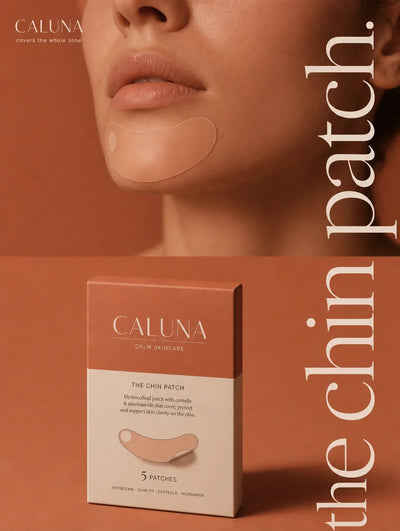
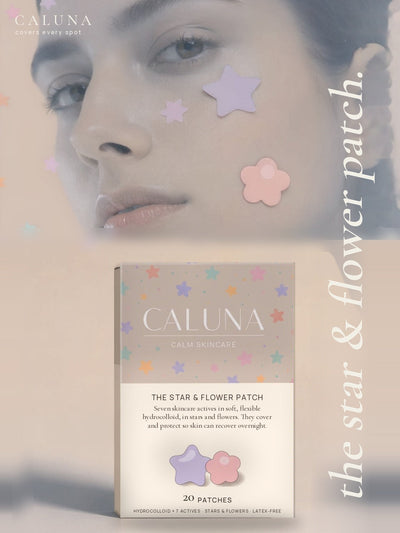
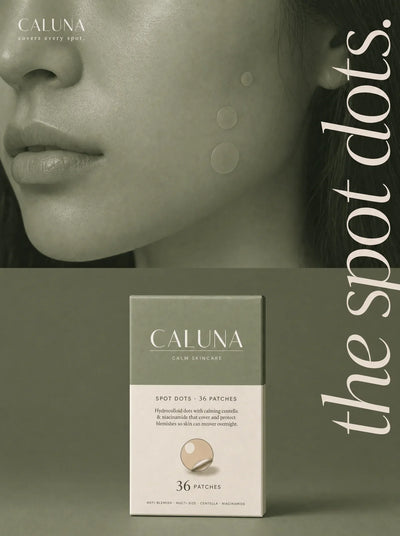
A hydrocolloid patch does a different job: it covers the spot, absorbs the fluid from ones that have already come to a head, and — maybe most usefully — physically stops you from picking. That's where our Caluna Hydrocolloid Pimple Patches come in. We build salicylic acid right into the patch alongside six other skin-loving actives — hydrocolloid, tea tree oil, centella asiatica, calendula, niacinamide and hyaluronic acid. Seven actives. Most patches have zero. Each box has 36 invisible dots that work out to about 33 cents a patch, so keeping one on a spot overnight is an easy, low-stakes habit rather than a precious one.
The quick version
- Salicylic acid is a BHA — a gentle, oil-soluble exfoliant known for keeping pores feeling clear.
- Being oil-soluble is why it's a favorite for oily, congested, blackhead-prone skin.
- It's different from benzoyl peroxide, which is known for targeting bacteria rather than clearing pores.
- Start a few times a week, moisturize, and don't overdo it.
- It pairs happily with a hydrocolloid patch on individual spots.
Salicylic acid isn't magic, and no single ingredient is. But it's earned its spot on all those ingredient lists for a reason — used gently and consistently, it's one of the most reliable tools for breakout-prone skin that wants to feel a little calmer and clearer. For stubborn or painful breakouts that won't budge, a dermatologist will always beat guessing.
— Jake, founder of Caluna.