
Salicylic acid is a beta hydroxy acid (BHA) that's best known for gently loosening the mix of oil and dead skin cells that can build up inside pores, which helps skin look and feel clearer over time. Because it's oil-soluble, it can work its way into a pore rather than just sitting on the surface — and that's the whole reason it shows up in so many products aimed at breakout-prone skin.
If you've ever squinted at an ingredient label and wondered why this one keeps appearing, here's the plain-language version of what it does, how often to use it, and how it fits alongside a pimple patch.
What is salicylic acid, exactly?
Salicylic acid is a beta hydroxy acid, meaning it's an exfoliating acid that happens to be oil-soluble. That oil-loving quality is the key detail: it lets salicylic acid mix with the sebum in your pores instead of being repelled by it.
It's originally derived from willow bark, though most modern skincare uses a lab-made version for consistency. You'll see it in cleansers, toners, serums, spot products, and leave-on treatments, usually somewhere between 0.5% and 2% in over-the-counter formulas. It's a cousin of the alpha hydroxy acids (like glycolic and lactic acid), but those are water-soluble and work more on the skin's surface, while salicylic acid's talent is going after what's inside the pore.
What does salicylic acid do for your skin?
In short: it's known for gently dissolving the "glue" between dead skin cells and helping to keep pores feeling clear, so skin looks smoother and less congested. Think of it as a tidying-up ingredient rather than a scrub.
Because it can slip into oily pores, salicylic acid is often described as decongesting — it helps loosen the buildup that can make pores look larger or feel clogged. Many people also find it leaves skin feeling less oily and more even in texture. It's a chemical exfoliant, so it does this without the tiny scratches that harsh physical scrubs can cause. That's a big part of why dermatologists tend to prefer it over grainy face scrubs for anyone whose skin breaks out easily.

Is salicylic acid good for oily or breakout-prone skin?
For most people with oily or breakout-prone skin, salicylic acid is one of the more well-tolerated actives to reach for, precisely because it targets oil and pore buildup. If your skin tends toward the dry or sensitive side, you may want to use it less often and watch for tightness.
Its oil-solubility makes it a natural fit where sebum collects — the nose, chin, and forehead. That said, "good for oily skin" doesn't mean "use as much as possible." Overdoing any exfoliating acid can leave skin feeling tight, flaky, or irritated, which can actually make things look worse. Starting slow and paying attention to how your skin responds beats going all-in on day one. And if breakouts are severe, painful, or just won't quit, that's a conversation for a dermatologist rather than a stronger drugstore product.
How often should you use salicylic acid?
A good starting point is two to three times a week, then working up to daily only if your skin stays comfortable. Leave-on products (like serums or treatments) are more potent than a cleanser you rinse off after 30 seconds, so factor that in.
The most common mistake is layering salicylic acid with every other active at once — a strong retinoid, an AHA, plus a scrub — which is a fast track to an irritated skin barrier. If you're using other exfoliants or a retinoid, alternate nights rather than stacking them. And whenever you're using an exfoliating acid, daytime sunscreen matters even more, since freshly exfoliated skin is more sensitive to the sun.
Can you use salicylic acid with a pimple patch?
Yes — and they actually play different roles, so pairing them makes sense. Salicylic acid works over time to keep pores feeling clear across your whole face, while a hydrocolloid patch handles one specific spot that has already come to the surface, covering it, absorbing fluid, and keeping your fingers off it.
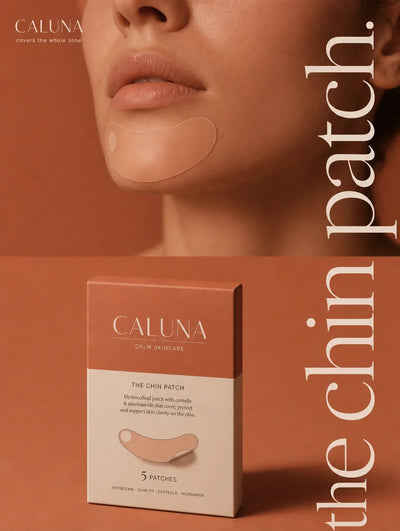
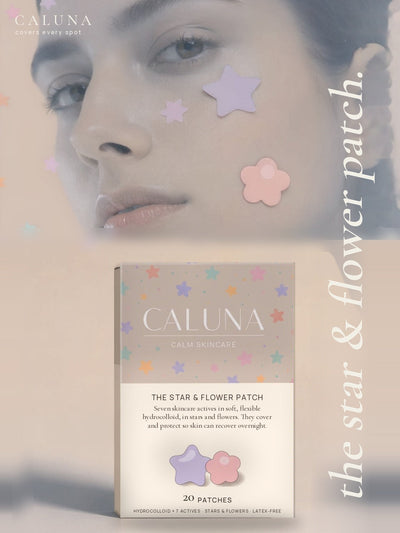
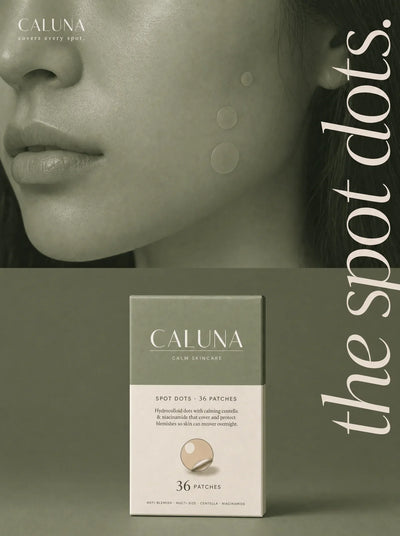
This is where our Caluna Hydrocolloid Pimple Patches come in. Instead of relying on a single ingredient, each invisible patch carries seven skin-loving actives — hydrocolloid, tea tree oil, salicylic acid, centella asiatica, calendula, niacinamide, and hyaluronic acid — so a surfaced spot gets covered and cared for while it settles. Most patches on the market have zero actives; ours has seven. A box of 36 is $11.99, with free US shipping and a 30-day money-back promise. Pop one on a clean, dry spot before bed, leave it 6 to 8 hours, and let it do the quiet work while you sleep.
The short version: salicylic acid is a steady, everyday-maintenance ingredient known for keeping pores feeling clear, while a patch is your targeted move for a single spot. Used sensibly, they're a genuinely nice pair — and for anything stubborn or painful, a dermatologist is always the smartest next step.
— Jake, founder of Caluna.