

Salicylic acid is a beta hydroxy acid (BHA) best known for keeping pores feeling clear and looking less congested. Because it is oil-soluble, it can settle into the oily lining of a pore instead of just sitting on the surface, which is why it shows up in so much breakout-friendly skincare. Here is what it actually does, how it ends up in a pimple patch, and when it is worth reaching for.
What is salicylic acid?
Salicylic acid is a beta hydroxy acid (BHA), a gentle exfoliating ingredient originally derived from willow bark. What sets it apart is that it is oil-soluble.
Most exfoliating acids, like glycolic acid, are water-soluble, so they work mainly on the surface of the skin. Salicylic acid dissolves in oil, which means it mixes with the sebum sitting inside your pores rather than beading up on top. On a label you will see it written as "salicylic acid," sometimes alongside the shorthand "BHA." It is typically used at low concentrations in cleansers, leave-on products, spot treatments, and patches.

What does salicylic acid do for your pores?
Salicylic acid is known for helping loosen the oil and dead skin cells that collect inside a pore, so pores feel clearer and look less clogged. It works along the inside of the pore rather than only on the surface.
That oil-soluble quality is the whole point. It lets the ingredient reach the buildup that can make a pore look larger or feel congested, and gently lift it away. People usually reach for salicylic acid when their skin feels oily, rough, or bumpy. One honest caveat: it does not permanently shrink pores, because pore size is mostly down to genetics. What it can do is help a pore look smaller once the gunk inside it is cleared out.
Is salicylic acid good for oily, breakout-prone skin?
It is one of the most popular ingredients for oily and breakout-prone skin, because it targets oil directly and tends to leave skin feeling smoother and less congested.
Oily skin simply makes more sebum, and salicylic acid's oil-loving nature means it goes where that oil is. The trick is to start low and slow: a few times a week is plenty at first. Overdoing it can leave skin dry, tight, or flaky, which is the opposite of what you want. If your skin feels calmer and smoother rather than stripped, you have found the right amount for you.
Is salicylic acid in pimple patches?
Yes. Some hydrocolloid pimple patches add a small amount of salicylic acid so the patch does two things at once: the hydrocolloid covers the spot and absorbs fluid, while the salicylic acid rests against the skin underneath.
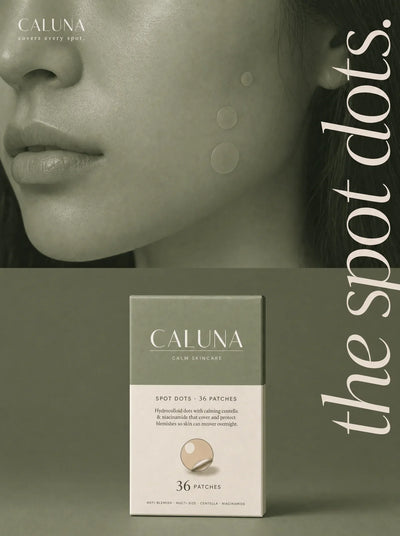
Most patches on the shelf are plain hydrocolloid and nothing else. Caluna's hydrocolloid patches pair salicylic acid with six other skin-loving actives, including tea tree oil, centella asiatica, calendula, niacinamide, and hyaluronic acid, in one nearly invisible dot. Seven actives, where most patches have zero. A box holds 36 patches and works out to about 33 cents a dot. The patch also does the unglamorous but important job of covering the spot so your hands stay off it, which is half the battle on a bump you would otherwise pick at.
How long should you wear salicylic acid on a patch?
A hydrocolloid patch is usually worn for about 6 to 8 hours, and overnight is the easiest way to do it. That keeps the salicylic acid against the skin while the patch quietly absorbs fluid and protects the spot.
A simple sign it has done its work: the dot turns cloudy and white where it has drawn up fluid. Swap it for a fresh one, use one patch per spot, and resist the urge to layer three other products on top. The patch is meant to keep things simple.
When should you see a dermatologist?
If your breakouts are severe, painful, deep and cystic, or they never seem to settle no matter what you try, it is worth seeing a dermatologist.
Salicylic acid is a useful everyday ingredient, but it is not a substitute for medical care. A dermatologist can look at the whole picture, including things an over-the-counter product cannot address, and point you toward the right plan for your skin. For the ordinary bump before a big day, though, a patch with a few good actives is a calm, low-effort place to start.
— Jake, founder of Caluna.