
Salicylic acid is a beta-hydroxy acid (BHA) that's best known for helping keep pores feeling clear by loosening the mix of oil and dead skin cells that tends to collect inside them. Because it's oil-soluble, it can settle into pores rather than just sitting on the surface — which is exactly why it shows up in so many products aimed at breakout-prone skin. Here's what it actually does, how to use it without overdoing it, and where it fits in a simple routine.
What is salicylic acid, exactly?
Salicylic acid is a beta-hydroxy acid, a type of exfoliating ingredient that works by helping to dissolve the "glue" between dead skin cells so they shed more easily. Unlike alpha-hydroxy acids such as glycolic acid, which are water-soluble and work mostly on the surface, salicylic acid is oil-soluble. That means it can mix with the sebum in your pores and help clear out the buildup that would otherwise sit there. It's one of the most studied ingredients in skincare, which is a big part of why it's such a common sight on ingredient labels.
What does salicylic acid do for breakout-prone skin?
For breakout-prone skin, salicylic acid is known for keeping pores feeling clear and helping skin look smoother and less congested over time. It gently encourages dead cells to turn over instead of clogging things up, and it can help skin feel less oily and rough where buildup tends to gather — think the nose, chin, and forehead. It's a cosmetic ingredient, not a magic eraser: it works best as part of a consistent routine rather than as a one-time rescue. If your breakouts are painful, deep, or persistent, that's a conversation worth having with a dermatologist, who can look at what's actually going on.

Is salicylic acid safe to use every day?
Many people can use salicylic acid daily, but if your skin is new to it, starting a few times a week and building up is the gentler path. Because it's an exfoliant, using too much too fast can leave skin feeling tight, dry, or irritated — which is the opposite of what you want. Pay attention to how your skin feels: a little smoothness is the goal, stinging and flaking are a sign to ease off. If you're also using other actives like retinoids or vitamin C, space them out or alternate nights so your skin isn't juggling everything at once.
Salicylic acid vs. benzoyl peroxide: what's the difference?
Salicylic acid works by exfoliating inside the pore, while benzoyl peroxide works by targeting acne-causing bacteria — different jobs, different ingredients. Salicylic acid is generally the gentler of the two and is popular for skin that gets congested or bumpy, while benzoyl peroxide is a common choice for inflamed, red breakouts. Some people use one, some rotate both on different days, and some do best with neither. There's no universal "better" here; it depends on your skin, and a patch test on a small area first is always a smart move before committing.
How do you use salicylic acid without over-drying your skin?
The trick is pairing it with hydration and not layering too many strong actives at once. After using a salicylic acid product, follow with a moisturizer to keep your skin barrier comfortable, and use sunscreen during the day since exfoliated skin can be more sensitive to sun. If your skin starts feeling tight or looking flaky, that's a cue to use it less often, not more. Gentle and consistent beats aggressive and occasional almost every time.
Where do pimple patches fit in?
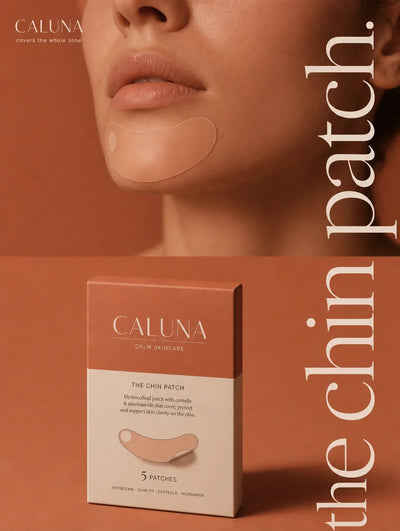
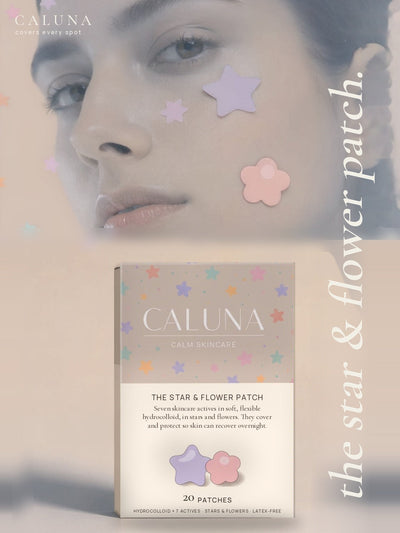
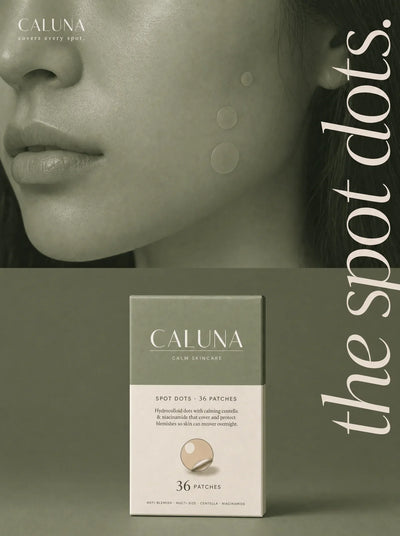
A pimple patch is a nice companion to a salicylic acid routine because it covers a specific spot, absorbs fluid, and physically stops you from picking while your skin does its thing. Caluna's hydrocolloid patches take that idea further: alongside the hydrocolloid, each of the 36 invisible patches in a box carries seven skin-loving actives — including salicylic acid, known for keeping pores feeling clear, plus tea tree oil, centella asiatica, calendula, niacinamide, and hyaluronic acid. Most patches have zero. So instead of choosing between "cover the spot" and "give my skin something nice," you get both in one little dot you can wear overnight or under makeup.
Salicylic acid isn't flashy, and it isn't instant — but it's one of those quietly reliable ingredients that earns its spot on the label. Use it gently, keep your skin hydrated, and let consistency do the heavy lifting.
— Jake, founder of Caluna.