 Liquid error (snippets/caluna-cart-extras line 104): invalid url input
Salicylic acid is a beta hydroxy acid (BHA) that dissolves in oil, which means it can slip below the surface and work inside an oily pore rather than just sitting on top of your skin. That single trait is why it's known for helping keep pores feeling clear, and why it shows up in so many products aimed at oily, breakout-prone skin. Below is a plain-English look at what it actually does, who it suits, how often to use it, and how it earns its place inside a pimple patch.
What does salicylic acid do for your skin?
In short, it's an oil-soluble exfoliant known for loosening the mix of dead skin and oil that collects inside pores. Because it's drawn to oil, it can work down into a pore instead of only smoothing the top layer of skin.
Most exfoliating acids you'll see on labels are alpha hydroxy acids (AHAs) like glycolic and lactic acid. Those are water-soluble and mainly polish the very surface. Salicylic acid is the best-known BHA, and its oil-loving nature is the whole difference: it heads for the same greasy environment where clogs form, which is why it's a mainstay ingredient for oily and combination skin.
Is salicylic acid good for oily and acne-prone skin?
It's one of the go-to ingredients for exactly that skin type. It's known for keeping pores feeling clear and for taking the edge off the shine that oily skin deals with all day.
Your oiliest zones — the nose, forehead, and chin that make up the T-zone — are where it tends to feel most useful, because that's where oil backs up first. Salicylic acid is gentle enough to appear in everyday cleansers and leave-on products at low strengths, so you don't need a harsh formula to get the benefit. That said, "acne-prone" covers a lot of ground, and an ingredient off the shelf isn't a substitute for a dermatologist's plan when breakouts are stubborn or painful.
What's the difference between salicylic acid and benzoyl peroxide?
They tackle different parts of a breakout. Salicylic acid is known for clearing out clogged pores, while benzoyl peroxide is known for reducing the bacteria involved in acne.
Plenty of people use both, on different days or on different areas, because they do different jobs. Benzoyl peroxide is the more drying of the two and can bleach towels and pillowcases, so it's worth introducing slowly. Neither is medical advice — if you're layering active ingredients, patch-test first and give your skin time to adjust.

How often should you use salicylic acid?
For most people, starting a few times a week and building up is gentler than going all-in every day. Salicylic acid does its work at low, steady doses, so more isn't better.
If you're using it in a rinse-off cleanser, daily is usually fine because it isn't sitting on your skin. Leave-on products (toners, serums, spot treatments) are stronger, so ease into those. Pair it with a moisturizer and daytime sunscreen — exfoliating acids can leave fresh skin a little more sun-sensitive, and a good moisturizer keeps the routine comfortable.
Can salicylic acid dry out or irritate your skin?
Yes, if you overdo it. Like any exfoliating acid, too much too often can leave skin tight, flaky, and red instead of clear and calm.
The tell is that stripped, squeaky feeling after you wash, or new flaking around your nose and mouth. If you see that, cut back to a couple of times a week and lean on a plain moisturizer. Sensitive skin does better with lower strengths, and if you're pregnant or nursing it's worth running leave-on acids past your doctor first.
How does salicylic acid work in a pimple patch?
In a hydrocolloid patch, salicylic acid rides along with the gel that covers a surfaced spot. The patch is known for covering the spot, absorbing fluid, and keeping your fingers off it, while the salicylic acid sits right on the area where oil tends to collect.
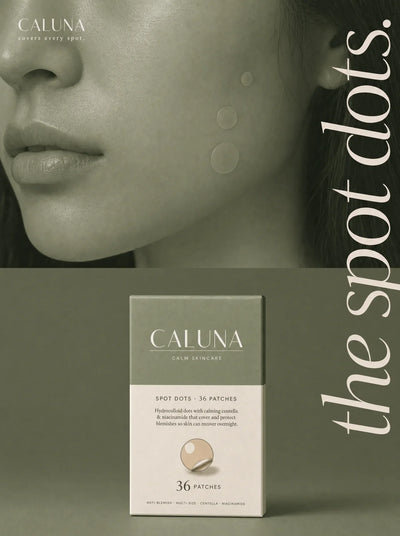
This is the part I care about most as a founder. Our Spot Dots carry seven skin-loving actives — hydrocolloid, tea tree oil, salicylic acid (known for keeping pores feeling clear), centella asiatica, calendula, niacinamide, and hyaluronic acid — where most patches on the shelf have zero. A box is 36 invisible dots for $11.99, about 33 cents a dot, so covering a spot with a little salicylic acid built in costs about the price of a gumball.
When should you see a dermatologist?
If your breakouts are painful, deep, widespread, or just won't clear no matter what ingredients you try, that's a conversation for a dermatologist rather than another product swap. Salicylic acid and a good patch are great for the everyday surfaced spot, not for something that needs real medical care.
There's no prize for toughing it out. A professional can offer options that no cleanser or patch can, and getting eyes on stubborn skin early tends to save you months of guessing.
— Jake, founder of Caluna.