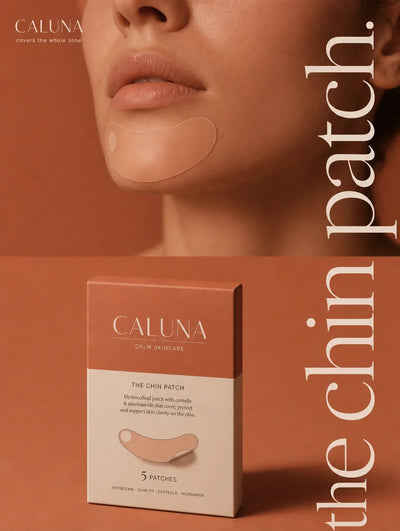
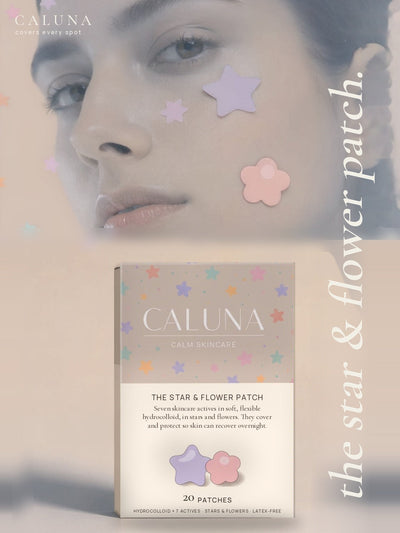
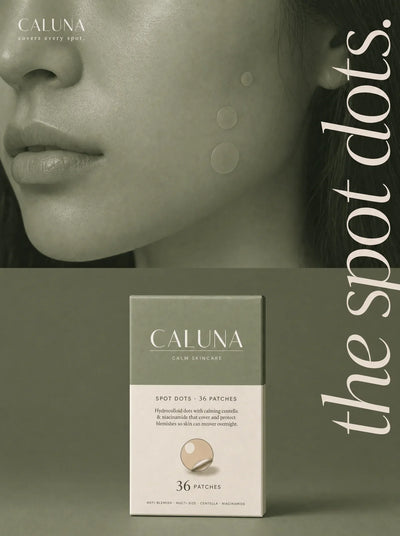

Salicylic acid is one of those ingredients you see on every "for breakouts" label, so here's the short version: it's a beta hydroxy acid (BHA) known for exfoliating inside oily pores and helping skin feel clearer and smoother. Because it's oil-soluble, it can get down into the pore itself instead of only working on the surface, which is why it turns up in so many products aimed at breakout-prone skin.
I'm Jake, and I'm building Caluna in public. We're a few weeks out from our November launch, so I've spent an embarrassing amount of time reading up on the seven actives that go into our patches, and salicylic acid is the one people ask about most. Here's what it actually does, minus the hype.
What does salicylic acid actually do for your skin?
It exfoliates, but from the inside of the pore out. Salicylic acid loosens the mix of oil and dead skin cells that collects in pores, so the surface is left feeling smoother and looking less congested.
The reason it's different from a face scrub comes down to chemistry. Scrubs and many other acids work on the very top layer of skin. Salicylic acid is oil-loving, so it dissolves into the sebum sitting in your pores and works where clogs actually form. That's why it's a common pick for people dealing with blackheads, whiteheads, and the general bumpy, congested feeling on the nose and forehead.

What's the difference between salicylic acid and benzoyl peroxide?
They're two different tools. Salicylic acid is an exfoliant known for clearing out pores; benzoyl peroxide is an antibacterial associated with the bacteria involved in inflamed breakouts.
In plain terms: salicylic acid is usually the pick for clogged-but-not-angry skin, meaning blackheads, whiteheads, and texture. Benzoyl peroxide is more associated with red, swollen, tender spots. Some people use both in a routine, though that's easy to overdo. If your skin is mostly congestion and shine, salicylic acid is the gentler place to start.
Can salicylic acid dry out or irritate your skin?
It can if you overuse it, but it doesn't have to. Used a few times a week at normal over-the-counter strengths, which usually run between 0.5% and 2%, most people tolerate it well; the trouble tends to start when you stack it with every other active you own.
The signs you're overdoing it are tightness, flaking, and stinging. The fix is boring but it works: use it less often, pair it with a plain moisturizer, and don't layer it with retinoids or strong acids on the same night unless your skin is already used to all of them. Salicylic acid doesn't have to sting to be doing something, and gentle-and-consistent beats aggressive-and-irritated every time.
How should you use salicylic acid in a routine?
Start low and slow: a couple of nights a week, on clean skin, followed by moisturizer, and build up only if your skin stays comfortable.
A few practical notes. It pairs nicely with hydrating ingredients like hyaluronic acid and niacinamide, which help offset any dryness. Give it a few weeks before you judge it, because skin turnover isn't instant. And if your breakouts are severe, painful, or simply not budging, salicylic acid isn't a substitute for a dermatologist, who can look at what's actually going on and suggest a plan.
Does salicylic acid work in a pimple patch?
Yes, and pairing it with a hydrocolloid patch is one of the tidier ways to use it. The patch covers the spot so you stop touching and picking it, and absorbs fluid, while the salicylic acid stays right on the area instead of your whole face.
That's exactly why we built salicylic acid into Caluna's hydrocolloid patches, though it's only one of seven skin-loving actives in each invisible dot, alongside tea tree oil, centella asiatica, calendula, niacinamide, hyaluronic acid, and the hydrocolloid itself. Our whole thing is "seven actives; most patches have zero." A patch already protects the spot and keeps your fingers off it, so we figured it may as well carry a few good ingredients while it's there.
So the recap: salicylic acid is a BHA known for keeping pores feeling clear, best suited to congestion and texture, and easy to overdo if you're not gentle with it. Used a couple of times a week, or delivered in a patch while you sleep, it's one of the most beginner-friendly actives in skincare.
— Jake, founder of Caluna.