
Tea tree oil is a plant-derived essential oil that's long been known for helping skin feel clearer and calmer, which is why you'll spot it on so many blemish-care labels. It comes from the leaves of the Australian Melaleuca alternifolia tree, and in skincare it's valued for its clarifying, soothing reputation on breakout-prone skin. Below is a plain-language look at what it actually does, how to use it without irritating your face, and why a tiny, well-measured amount beats dabbing it on straight.
What does tea tree oil do for your skin?
Tea tree oil is best known for helping skin feel clearer, calmer, and less congested. It's a botanical oil traditionally used to keep the look of blemishes in check and to make oily, breakout-prone areas feel fresher.
The active compound people talk about most is terpinen-4-ol, which gives tea tree oil its clean, medicinal scent and its long-standing reputation in skincare. You'll find it in cleansers, spot gels, toners, and pimple patches. Think of it as a supporting player: it doesn't do the heavy lifting alone, but paired with other well-chosen ingredients it helps a formula feel balanced and soothing.

Is tea tree oil good for acne-prone skin?
Many people with breakout-prone skin like tea tree oil because it's known for keeping skin feeling clear without a heavy, greasy finish. It has a long track record in blemish-focused products.
That said, tea tree oil is a cosmetic ingredient, not a medicine — it won't treat, cure, or prevent acne, and no honest brand should tell you it does. What it can do is contribute to a formula that helps skin look and feel calmer. If your breakouts are severe, painful, or just won't let up, the smartest move isn't a stronger DIY concoction; it's a visit to a dermatologist who can look at your skin properly.
Can you put tea tree oil directly on a pimple?
It's not a great idea to apply undiluted tea tree oil straight to your skin. Pure essential oils are highly concentrated and can leave skin red, stinging, or irritated — which is the opposite of what you want on an already-sensitive spot.
Dermatologists generally suggest using tea tree oil that's already been diluted into a proper formula, or heavily diluted in a carrier oil, rather than dabbing the pure stuff on with a cotton swab. A concentrated drop can sensitize the skin over time, and irritated skin tends to look more inflamed, not less. If you've never used it before, patch-test on your inner arm first and wait 24 hours to see how your skin reacts.
Does tea tree oil dry out your skin?
Used in a smart, low concentration, tea tree oil doesn't have to dry out your skin — but overdoing it can. The "dry it out to death" approach tends to backfire, leaving skin tight, flaky, and more irritated.
This is where a balanced formula matters. Tea tree oil pairs well with hydrating and soothing ingredients that keep skin comfortable, so you get the clarifying reputation without stripping your face. Pimple care works best when a spot stays in a calm, slightly moist environment — not baked dry — which is exactly how hydrocolloid patches are designed to work.
How is tea tree oil used in a pimple patch?
In a pimple patch, tea tree oil is infused into the patch at a gentle, cosmetic level so it sits against the skin alongside other actives while the hydrocolloid does its job of covering the spot and absorbing fluid. The patch also physically stops you from picking, which is often the real win.
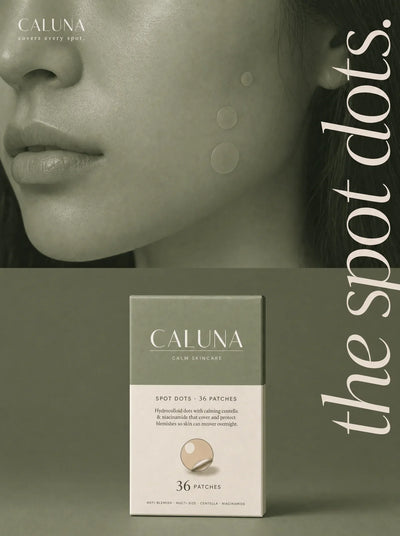
This is the thinking behind Caluna's hydrocolloid pimple patches: they carry seven skin-loving actives — hydrocolloid, tea tree oil, salicylic acid, centella asiatica, calendula, niacinamide, and hyaluronic acid — where most patches on the shelf have zero beyond the sticky dot itself. You get 36 invisible patches in a box for $11.99, so a single spot-care night costs pennies. The patch keeps the area covered and protected overnight, tea tree oil and its companions add their well-known soothing reputations, and you wake up without having touched the thing once.
The honest takeaway
Tea tree oil earns its spot in skincare because it's genuinely known for helping breakout-prone skin feel clearer and calmer — as long as it's used diluted and in a thoughtful formula rather than splashed on neat. It's one ingredient in a bigger routine, not a miracle cure. Keep it gentle, keep your hands off active spots, and see a dermatologist for anything severe or stubborn.
— Jake, founder of Caluna.