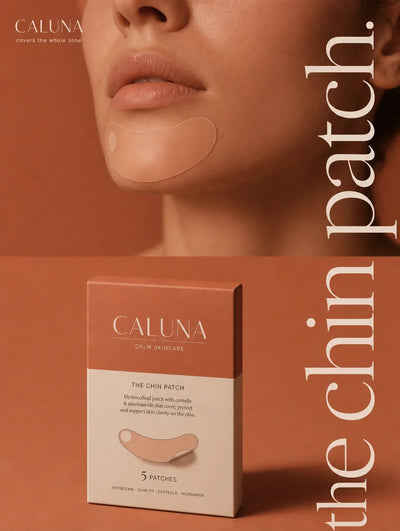
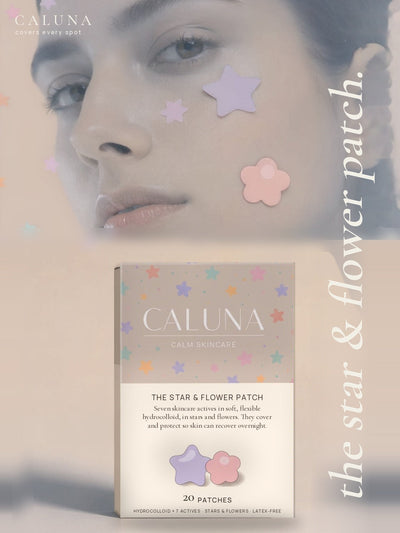
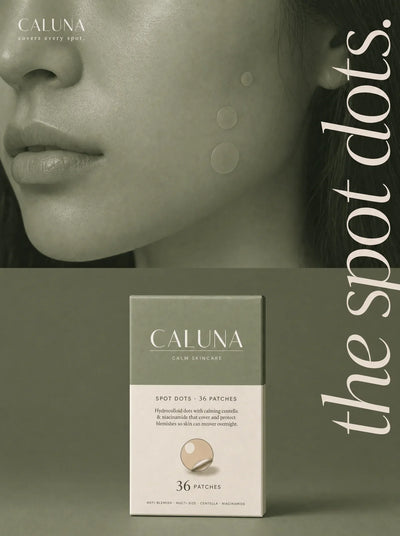

The best pimple patch is a hydrocolloid patch that stays put, disappears against your skin, and covers the spot cleanly so you stop touching it. Beyond that, the details that separate a good patch from a forgettable one come down to the quality of the hydrocolloid, whether any skin-loving ingredients come along for the ride, and how well the patch actually fits the spot you are trying to cover. Here is a simple, honest checklist for choosing one, without the marketing fog.
What makes a pimple patch actually good?
A good pimple patch does two jobs well: it absorbs fluid from a spot that has come to a head, and it creates a physical barrier so you leave the area alone. That combination is the whole point. Hydrocolloid is the material that makes it work, drawing out excess fluid while keeping the spot in a moist, protected environment. Everything else, from clever ingredients to invisible finishes, is a bonus layered on top of that core function. So the first question to ask is simple: is it genuinely hydrocolloid, and does it stay stuck? If a patch peels off after an hour or slides around under a pillowcase, none of the fancier features matter.

Does hydrocolloid quality matter?
Yes, hydrocolloid quality is the single most important factor, because a patch that will not adhere cannot do its job. Look for a patch that seals flat to the skin with no lifting at the edges and stays on through a full night of sleep or a long day. Thin, flexible patches tend to conform to the curves of a face better than stiff ones, which is why the good ones seem to melt into the skin instead of sitting on top like a sticker. Adhesion and comfort usually tell you more about a patch than any claim on the box. If you can wear it for six to eight hours without it curling, that is a strong sign the hydrocolloid is well made.
Should a pimple patch have added ingredients?
Added ingredients are a real bonus when they are skin-friendly, but most patches on the market contain nothing beyond the hydrocolloid itself. This is where patches quietly differ the most. Some brands include actives that are well known in skincare: salicylic acid is known for helping keep pores feeling clear, tea tree oil is a long-used botanical for blemish-prone skin, niacinamide is known for supporting a calmer-looking complexion, and hydrating ingredients like hyaluronic acid and centella asiatica are prized for helping skin feel soothed rather than stripped. None of these turn a patch into a medical treatment, but they do mean your skin is getting a little more than a plain seal. When you compare labels, count the ingredients: many patches have zero actives, so a patch that includes several thoughtful ones is offering more for the same real estate on your face.
What size and thickness should you look for?
Look for a patch that is slightly larger than the spot itself, thin enough to be nearly invisible, and matte rather than shiny so it disappears under light. A patch that is too small will not seal around the whole area, and one that is too thick or glossy will catch the light and announce itself. Many boxes include a single size, which is fine for everyday spots, though a mix of sizes is handy if you tend to get both tiny bumps and larger ones. Invisibility matters more than people expect, because a patch you can wear to work or school is a patch you will actually keep on long enough to do its job.
How can you tell if a patch is worth the price?
Work out the cost per patch, not just the sticker price, and factor in how many you get and what is on them. A box of 36 patches at around sixteen dollars comes out to well under fifty cents each, which is reasonable for something you use a few times a week. Compare that number across brands, then weigh it against the extras: adhesion quality, invisibility, and whether there are any beneficial ingredients. A slightly higher price for a patch that actually stays on and includes real actives is usually better value than a cheap patch you have to reapply twice.
For the record, this is the checklist we built our own product around. Caluna Hydrocolloid Pimple Patches come 36 to a box, disappear against the skin, and carry seven skin-loving actives when most patches have zero. If severe or persistent breakouts are a regular thing for you, a dermatologist is still the best person to talk to, since patches are a helpful everyday tool, not a cure.
— Jake, founder of Caluna.